In October, Natural Justice’s Environmental Defenders Initiative coordinator, Tawonga Chihana, had another opportunity to influence the regional policy responses in relation to environmental defenders in Africa – a theme she has been engaged in over the past four years, seeing incremental progress in many ways that matter.
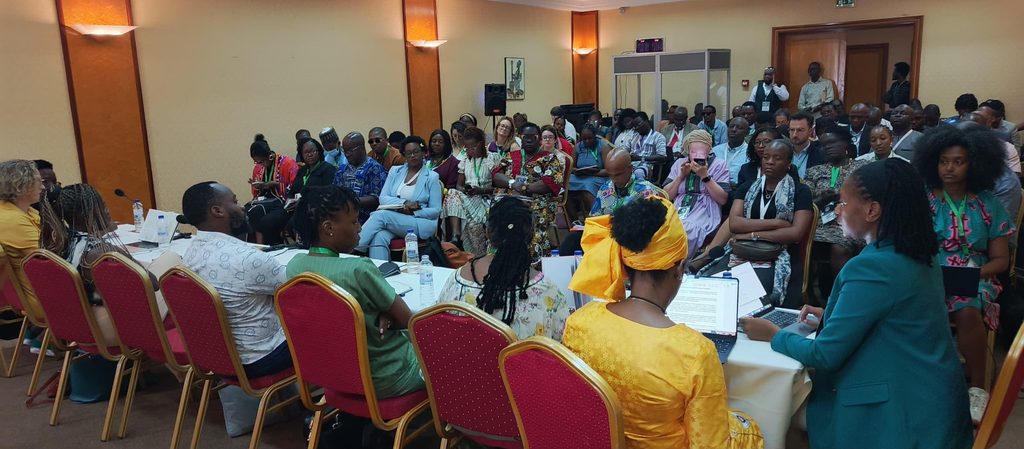
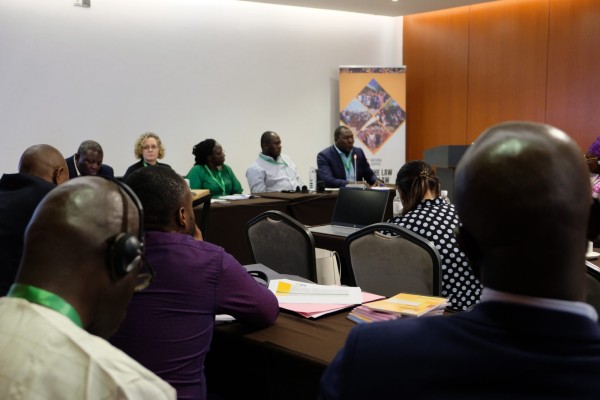
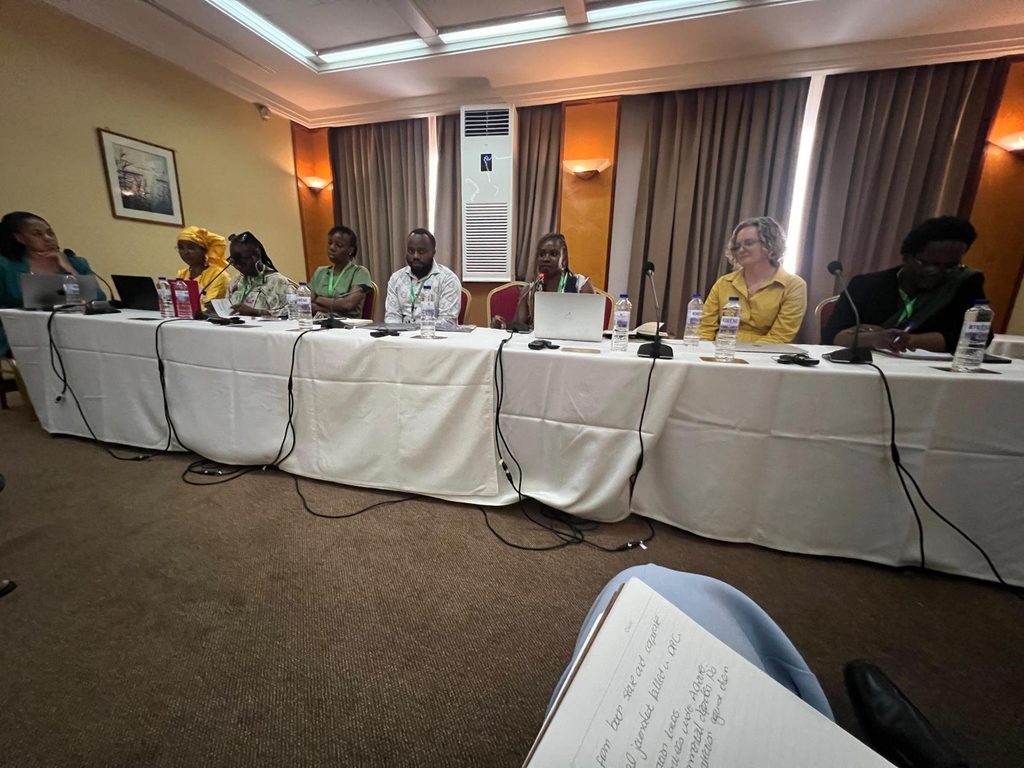
At a side event at the 89th Africa Commission Ordinary Session, a discussion on collective responses to reprisals against environmental human rights defenders in Africa was organized by Zimbabwe Lawyers for Human Rights, and brought together environmental human rights defenders, human rights experts, lawyers, journalists and women’s rights practitioners to discuss collective responses to reprisals against environmental human rights defenders in Africa.
The side event provided an opportunity to consider how ongoing processes at the African Commission can better recognise and protect those defending people and the environment. The discussion came at a critical moment, as civil society organisations working at the intersection of environmental rights and human rights are pushing for greater recognition, protection, and meaningful participation of environmental defenders within regional human rights processes.
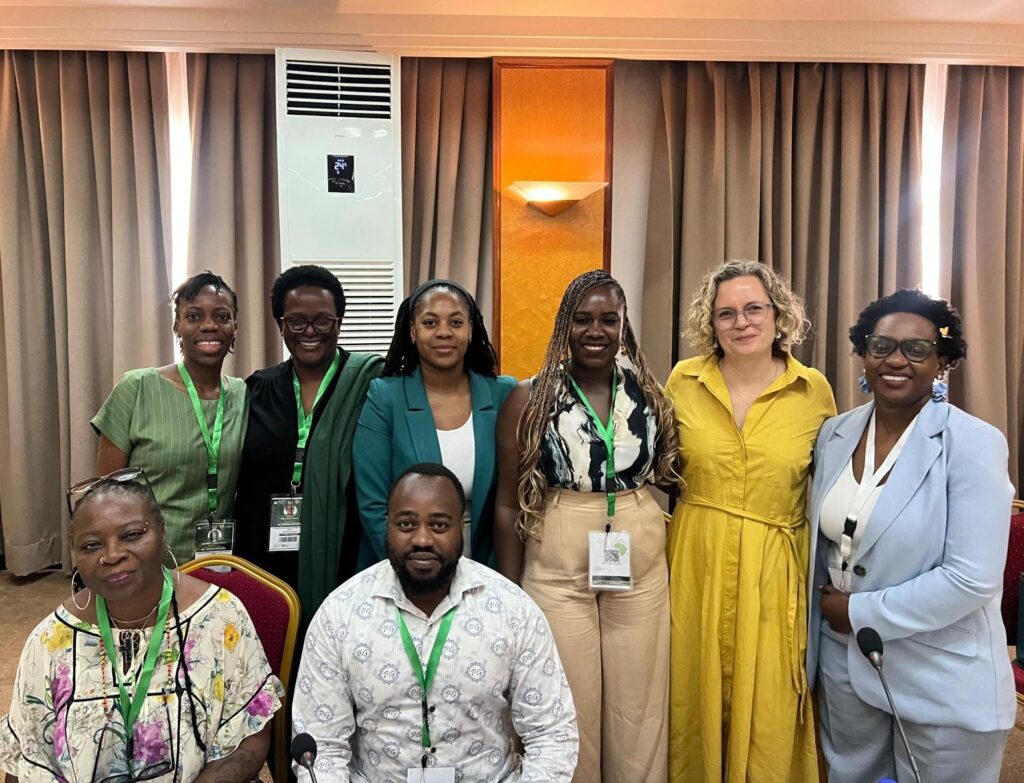
The panel comprised of Tawonga Chihana (Natural Justice), Fiona Iliff (American Bar Association), Brighton Aryampa (youth for Green Communities), Marystella Simiyu (International Press Institute), Prisca Dube (Zimbabwe Lawyers for Human Rights), Priscilla Yagu Ciesay (Women association for Women and Victims Empowerment) and Aua Balde (UN Working Group on Enforced or Involuntary Disappearances).
Together, the speakers painted a sobering picture of the realities facing defenders across the continent….
The Rising Cost of Speaking Out
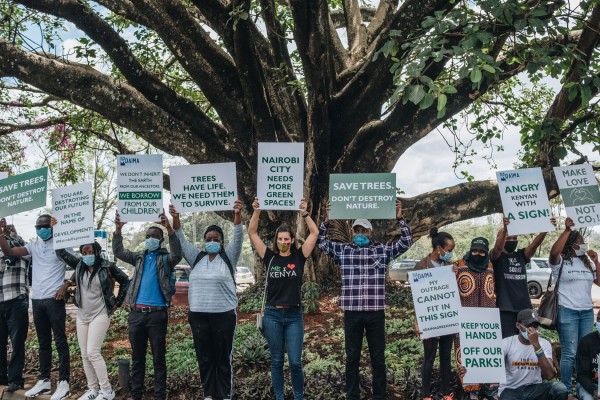
Speakers highlighted a range of reprisals, including arbitrary arrests, Strategic Lawsuits Against Public Participation (SLAPPs), surveillance, abductions, killings and enforced disappearances. Particular attention was given to environmental journalists who face threats for exposing environmental injustices.
The International Press Institute reported that Fiston Wilondja Mazambi, a journalist from the Democratic Republic of Congo, was abducted, tortured and killed in August 2025 while investigating illegal gold mining and alleged links between rebel groups and government authorities.
Carlitos Cadangue, a journalist from Mozambique, was shot at in February 2026 after reporting on illegal mining and pollution, further illustrating the risks journalists face when shedding light on environmental injustices and violations.
Brighton Aryampa, a Ugandan lawyer and environmental defender, shared his experiences working at the intersection of human rights and environmental protection. He spoke about the death threats, surveillance and lengthy judicial processes used to frustrate the work of human rights lawyers and environmental defenders. His testimony served as a powerful reminder that defenders are not only confronting environmental harm, but are often forced to navigate deliberate efforts to silence their work.
Enforced disappearances often overlooked
The discussion also underscored the longstanding nature of enforced disappearances. Aua Baldé highlighted cases documented by the UN Working Group on Enforced or Involuntary Disappearances dating back to the early 1980s and called for stronger data collection and documentation to establish the scale of violations, identify patterns and ensure that cases do not go undocumented or unaddressed.
Beyond documenting these violations, speakers emphasised the need to ensure that protection measures respond to the experiences of defenders who are often overlooked.
One important point raised was that Indigenous women may not necessarily identify as environmental defenders. Instead, they see themselves as mothers, farmers, community leaders, and caregivers struggling to protect their families and ways of life. This highlights the importance of recognising their experiences and ensuring their meaningful participation in developing solutions to the threats they face.
Natural Justice’s recent report on women environmental human rights defenders in Africa also highlighted the growing use of digital repression, online harassment and smear campaigns as significant forms of reprisals, reinforcing the need for gender-responsive approaches to defender protection.
Other key recommendations included strengthening data collection and evidence on reprisals across Africa, investing in the capacity of environmental defenders and local communities to engage with African human rights mechanisms, and using environmental journalism to amplify the experiences of defenders. Speakers also called for the introduction of specialised courts to address environmental rights violations.
From Recognition to Action
The side event highlighted three key calls for action:
- Strengthen protection: Ensure environmental defenders are explicitly recognised and protected within African human rights standards.
- Advance accountability: Improve documentation of reprisals, strengthen corporate accountability, investigate attacks against defenders, and ensure the implementation of regional human rights recommendations.
- Build stronger networks: Strengthen collaboration among environmental defenders, lawyers, journalists and community organisations to support collective responses to reprisals.
Ahead of the side event, civil society organisations, including Natural Justice, led by Zimbabwe Lawyers for Human Rights, presented a thematic resolution for adoption at the NGO Forum preceding the 89th Ordinary Session of the African Commission on Human and Peoples’ Rights in Dakar, Senegal, in October 2026.
The proposed resolution calls on the African Commission to strengthen the protection of environmental human rights defenders across Africa. Among its recommendations are measures urging states to guarantee fundamental freedoms, prevent reprisals and criminalisation, investigate attacks against defenders, ensure access to justice, and guarantee access to environmental information and meaningful public participation.
It also calls for the explicit recognition of environmental defenders in the draft African Declaration on Human Rights Defenders and the General Comment on Article 24 of the African Charter, alongside stronger monitoring of reprisals and coordination between national, regional and international human rights mechanisms.
A step forward as resolution on defenders is adopted
In the Final Communiqué of its 89th Ordinary Session, the African Commission indicated that its Resolutions Committee, under Section 10 (iv) had considered and adopted the thematic Draft Resolution on the protection of human rights defenders, in particular environmental human rights defenders, against reprisals, criminalisation and judicial harassment in Africa, which is expected to be considered by the plenary at an Extraordinary Session in November 2026.
This is massive! This marks an important step forward for civil society organisations working to strengthen the recognition and protection of environmental defenders in Africa. It reflects sustained advocacy to ensure that the experiences and concerns of defenders inform regional human rights processes, shaping the policies, laws, and institutions designed to protect environmental rights.
Now that the voices of environmental defenders are reaching regional policymakers, the challenge is to ensure that these voices translate into action. Defenders need more than recognition; they need meaningful protection, accountability for reprisals, and lasting change that safeguards the communities and ecosystems they risk their lives to defend.