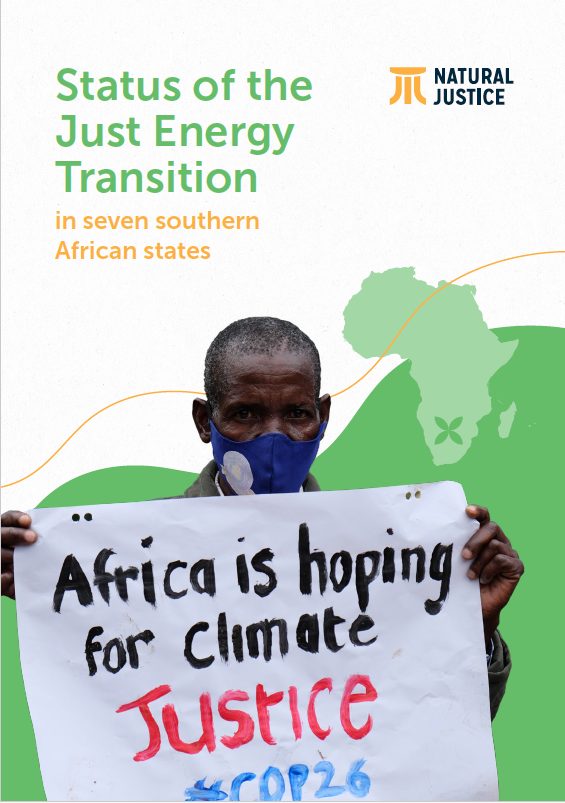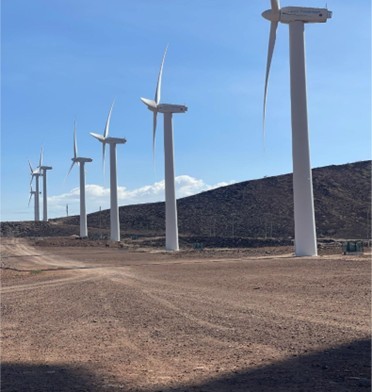
This report assesses the status of energy systems and the policy mechanisms in place to support a just energy transition in the following Southern African Development Community (SADC) countries: Angola, Botswana, Madagascar, Mozambique, Namibia, South Africa and Zimbabwe.
SADC has the lowest electricity access rates in the world and, as such, does not contribute substantially to global greenhouse gas emissions. Nonetheless, transitioning to renewable energy in a just and inclusive way would provide the region with many valuable co-benefits such as access to affordable, modern energy services; lower risks of deforestation and desertification; improved air quality and health outcomes; reduced ecosystem pressure; and a reduction in the time women and girls spend finding energy sources.
In addition to outlining the status quo of energy system arrangements and policy frameworks relevant to the energy transition, this report examines the mechanisms in place to drive the transition towards a low-carbon, climate resilient, fair and inclusive economy and society.