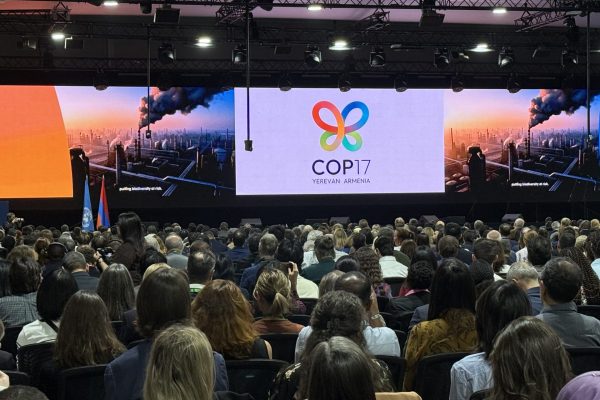
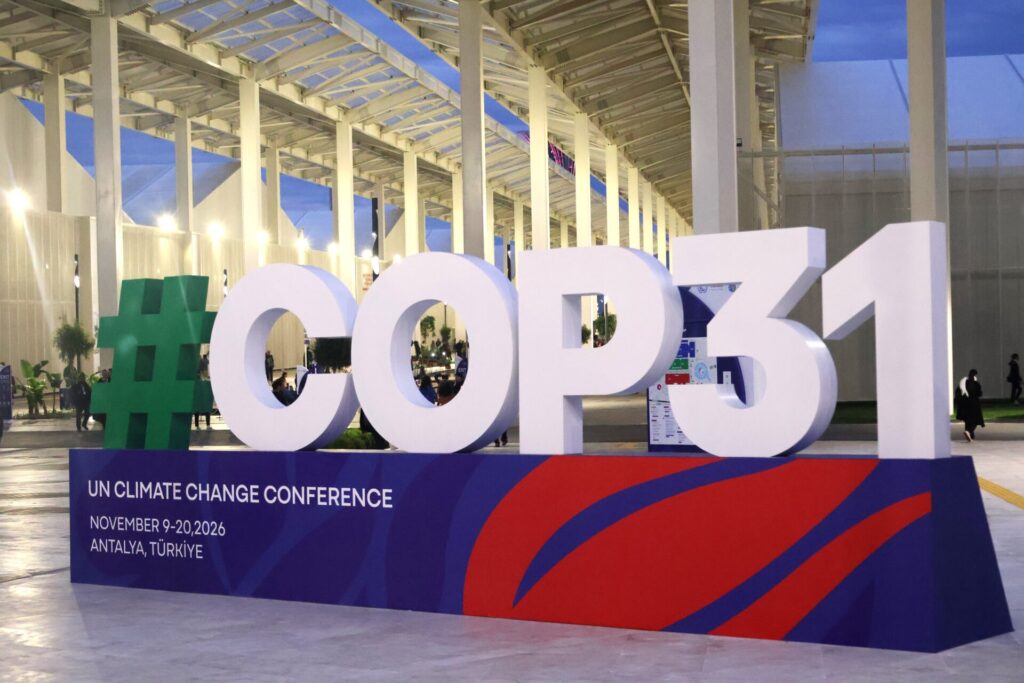
Antalya, 23 November 2026: States failed to find consensus after a gruelling two-day extension of the fortnight-long UNFCCC climate talks in Turkiye. Parties reneged on promises from Belem’s COP30, where incremental progress had been made. Leaving Africa in the lurch, negotiations on climate adaptation, environmental and human rights defenders, and just energy finance either went nowhere, or the language was watered down. Most distressing of all was the deliberate removal of any mention of fossil fuels in the text, which is the direct source of climate change.
Africa will now tasked with cleaning up the mess left by the dual presidency of Australia and Turkiye this year, as Ethiopia carries the baton towards COP32 in 2027.
Dubbed by civil society as “the worst COP ever”, and by the African Group of Negotiators as, “deeply disappointing”, the COP31 plenary ended last night in Antalya, with very little hope for Africa, its people, oceans and defenders.
African Group of Negotiators (AGN) spokesperson, Ghana’s Minister for Environment, Dr. Zanetor Agyeman-Rawlings, said at the closing plenary:
“We were disappointed that we didn’t get a meaningful outcome on the means of implementation, particularly the tripling of adaptation finance. Belém made a promise to the most vulnerable. Antalya should have been about delivering on it, not reneging or renegotiating. African nations are being asked to engage in so-called just transitions which are anything but just.”
Natural Justice’s Claire Martens lamented, “This was supposed to be the COP of action. But there cannot be action without finance, and clear language on reducing fossil fuels. The global south, small island states and vulnerable countries were ignored. We hope COP32 in Ethiopia will change this.”
Katherine Robinson, Natural Justice’s Head of Policy and Advocacy agreed saying, “Developed countries’ unwillingness to fulfil their financial obligations is the root cause of COP31’s collapse. The EU said that any new climate finance package is “dead in the water”. Unfortunately, the colonial racist logic through which the global north operates renders small island states, African countries, and their coastal communities sacrifice zones to service developed countries’ greed.”
Ignoring the latest science, and backsliding on agreed language and big promises of action and implementation, states rejected the final deal because it had no mention on phasing out fossil fuels; developed countries held the door shut on climate finance and quibbled about the Belem Antalya Mechanism to operationalise the just transition work programme.
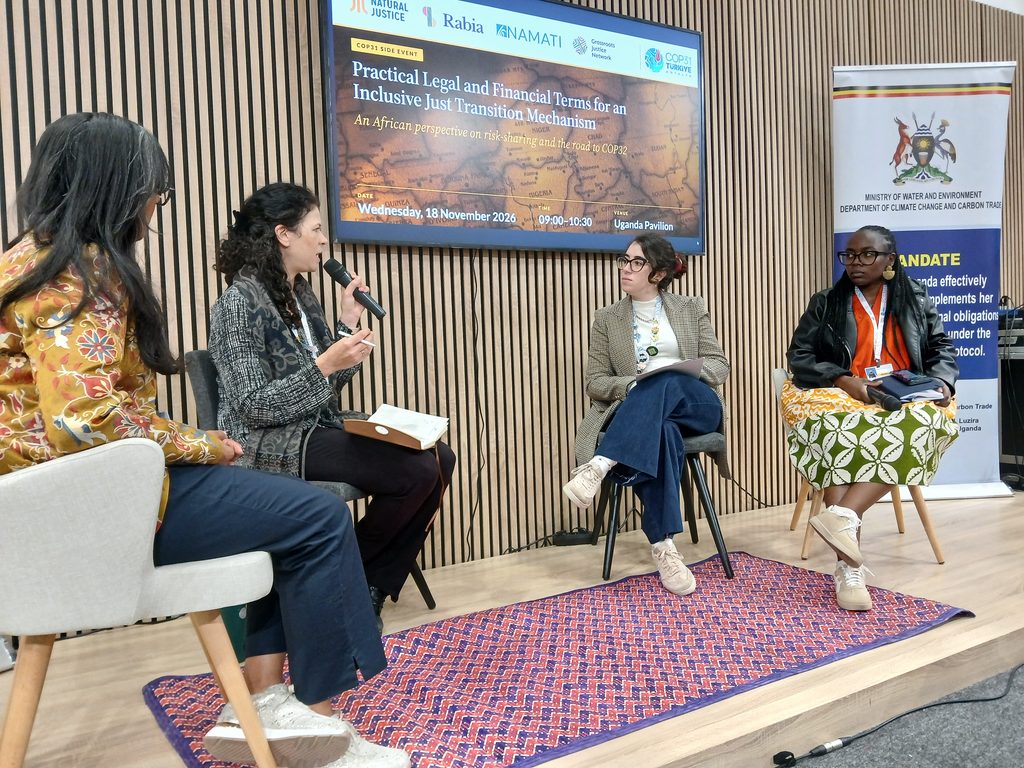
Lauren Nel, Natural Justice’s Just Transition Initiative Coordinator explained, “A functional, human rights-based mechanism was urgently needed to ensure a phase out of fossil fuels, electrification with renewable energy, ocean-based climate action, and most importantly, limiting the 1.5 degrees overshoot.”
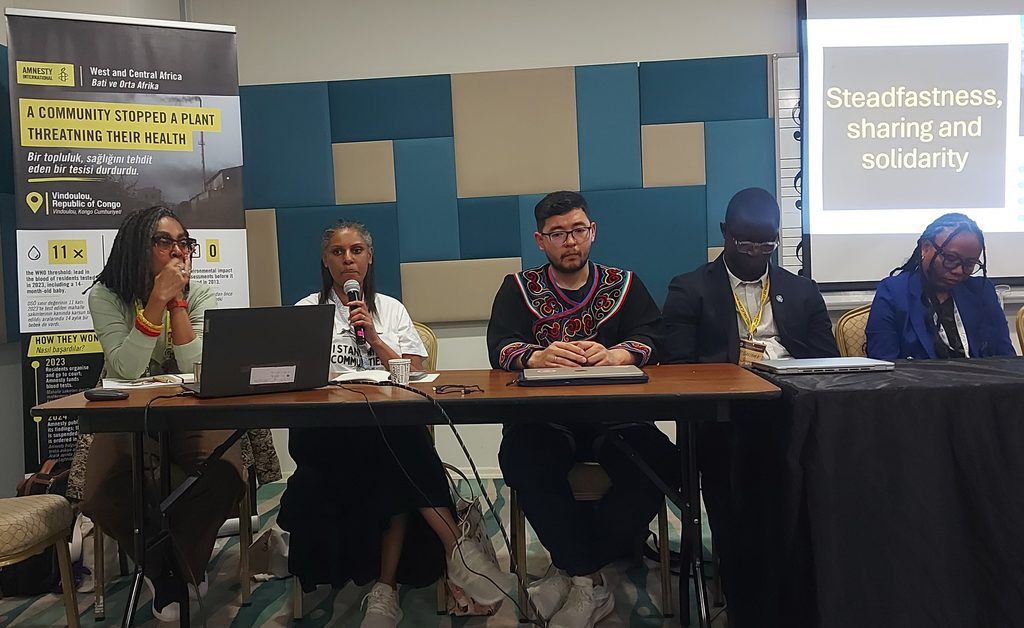
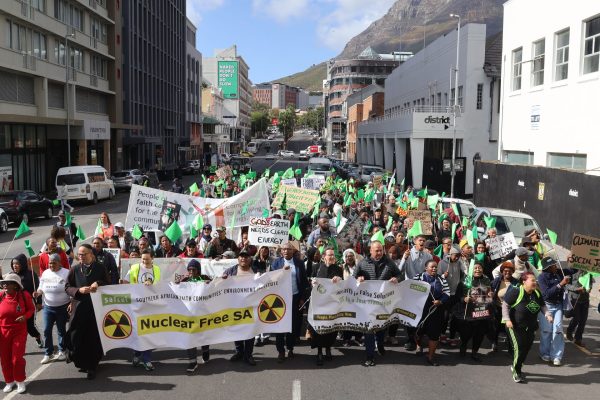
“The energy transition must be inclusive, placing communities at the heart of decisions. Respect for the fundamental rights of these communities and their effective participation in processes must guide any action for a fair sharing of benefits,” agreed Gorgui KA, Natural Justice’s Community Paralegal from Dakar.
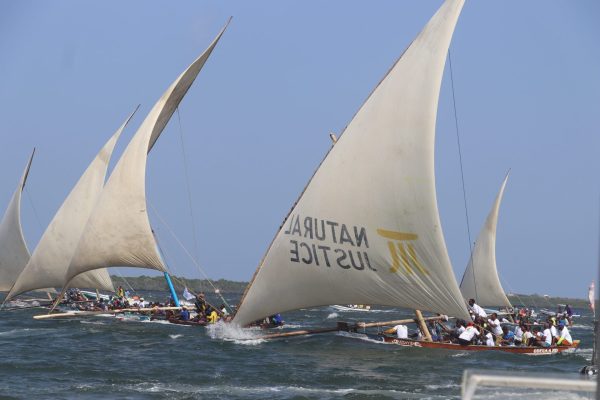
Touted as the “Blue COP” because of its ocean-based agenda, COP31’s end without a cover decision also dealt a major blow to progress made on ocean-climate action, protecting marine ecosystems and coastal communities. The only redeeming feature was the adoption of the Antalya Ocean and Seas Compact, as part of the Action Agenda.
“States cannot claim to tackle climate change while backsliding on references to oceans and fossil fuels. The Compact is small but important win, highlighting the crucial intersect of ocean health and climate change. This gives us leverage to continue advocating for coastal communities, specifically, fossil fuel free oceans, phase out and sustainability of coastal ways of life,” said Farida Aliwa, Executive Director, Natural Justice.
Natural Justice’s Gloria Gbenyedji from Dakar added, “The increasing recognition of oceans in the climate process reinforces Natural Justice’s commitment to defend the rights of coastal communities. Climate justice impossible without their participation – they are and have been the stewards of our seas for generations.”
Negotiations on human rights, environmental human rights defenders (EHRDs), and gender under Action for Climate Empowerment (ACE) and the Gender Action Plan (GAP) also faced watering down and stalled outcomes.
“The rolling back of human rights language reflects the disregard of the realities of developing countries that are bearing the brunt of the climate crisis, and for the local communities, Indigenous Peoples and environmental defenders who are on the frontlines, protecting their lands, mangroves and ecosystems, often at enormous risk, yet continue to go unheard in the very spaces where decisions about their futures are being made,” explained Tawonga Chihana, Natural Justice’s African Environmental Defenders Coordinator.
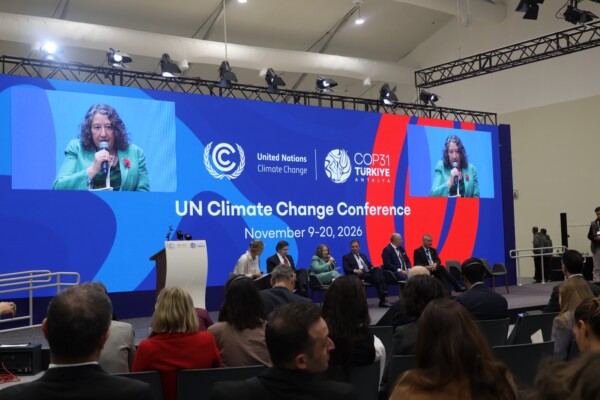
At the Closing Plenary, Ethiopia invited states to Addis Ababa to advance climate action reassuring the world, “COP32 will be the COP of hope, grounded in cooperation, strengthened by trust and hope made credible by delivery, hope for the people impacted by climate change.”
ENDS