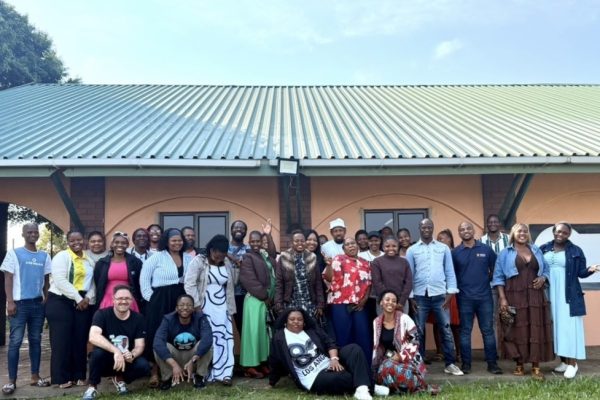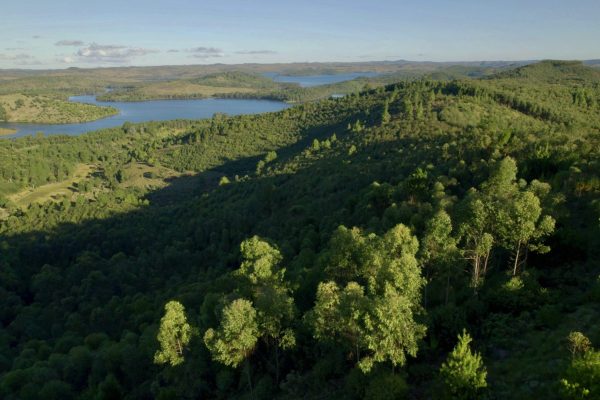
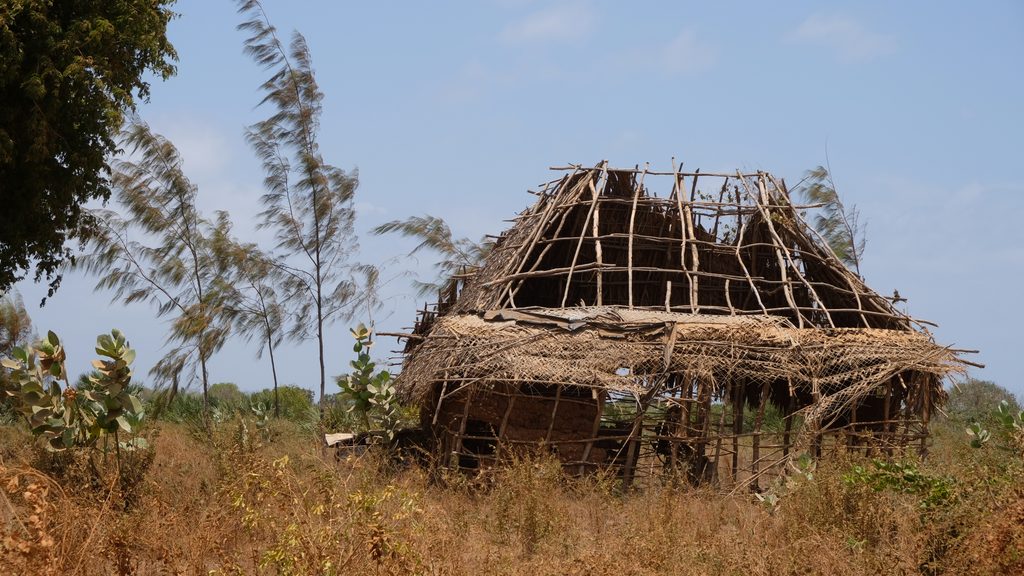
Families in Chandavai in Lamu County, Kenya, have lived on the land they call home for generations. They have farmed and grazed livestock, built homes, mosques and shrines, and buried relatives there.
On Monday, 28 September 2026, 133 residents approached the Environment and Land Court in Kenya through their private lawyer, George Wakahiu, demanding their rights to this land be recognised before yet another mega-development changes their lives and land irreversibly.
The mega-development they are concerned about is the proposed Dangote East Africa Refinery in Lamu, which broke ground this week, and is being funded by a Nigerian billionaire, Aliko Dangote. The families have approached the court in an effort to protect themselves from development that may undermine their future, based on previous experiences by residents of Lamu.
Understanding the historical background to these concerns, as well as how this refinery has been approved without rigorous assessments and consultation processes, Natural Justice is standing in solidarity with the community of Chandavai as they embark on a court case that will have implications for the residents of the region. This case also raises concerns about the cumulative impact of the refinery and its carbon footprint, at a time when countries are entering their just energy transition phase.
Understanding the history of land acquisition
The history of land acquisition for the Lamu Port-South Sudan-Ethiopia Transport (LAPSSET) project is important in understanding the concerns now being raised by the Chandavai communities. Approximately 1.3 square kilometres of land (approximately 393 acres) was acquired for the Lamu Port and associated LAPSSET infrastructure, with affected landowners compensated as part of that acquisition.
Subsequently, however, a title covering approximately 28,000 hectares was generated in the name of LAPSSET, with communities raising concerns that the title appeared to cover an area substantially larger than the land that was originally acquired and compensated for. This has created a difficult situation because people continue to occupy and use portions of the area covered by the title, while their interests in the land remain unresolved.
For Lamu, a county that has long experienced limited economic opportunities, the promise of investment, employment, infrastructure and local business opportunities is significant. But the question of development cannot be separated from the question of land, livelihoods, culture and community rights.
What is at stake?
The proposed Dangote East Africa Refinery is emerging in a landscape where communities have already experienced the consequences of large infrastructure projects.
The refinery is expected to refine 700,000 barrels of crude oil per day. With an estimated investment of between US$15 billion and US$20 billion, the project is presented as a transformative investment for Kenya and the wider region and is expected to anchor further development along the LAPSSET Corridor, especially for the Lamu Port.
Previous instances of proposed infrastructure development, such as the Lamu Coal-fired Power Plant, while being blocked by the courts after community opposition, have shown how communities now think about the developments that are infiltrating the landscape of Lamu. These cases have also made it clear that communities demand to be part of the decision-making process.
In their court papers, the residents allege destruction of crops, trees, homes and other property, and say they face displacement without an adequate resettlement plan or prior compensation. For them, the question is not simply whether development should happen, but how development happens, whose rights are recognised, who bears the costs, and who benefits from its ostensible economic opportunities.
What concerns us the most
There are three main concerns that arise from this project. They are the participation of communities in the project decisions, as well as access to information; impacts on the heritage and natural environment of Lamu; and lastly, the “locking-in” of Kenya into a fossil fuel future through this project.
Ahead of the project’s start, there has been no meaningful opportunity for affected communities to access information about the project, understand its potential impacts, question the proposed development or influence decisions before they are made. The courts have told us that meaningful participation is not simply informing communities that a project is coming. It requires access to adequate and timely information, and a genuine opportunity for affected people to understand, question and influence decisions that will materially affect their lives before those decisions become irreversible.
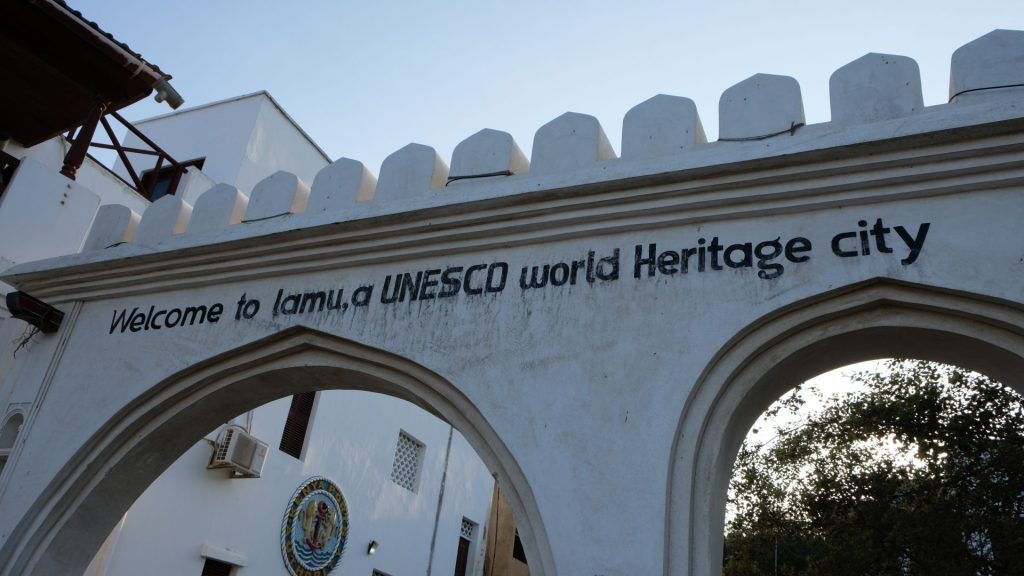
On the issue of environmental impacts, Lamu Old Town is a UNESCO World Heritage Site, recognised for its cultural and architectural significance and its connection to the Swahili cultural landscape. UNESCO has repeatedly raised concerns about the potential effects of major development on Lamu’s environment, coastline, water catchment areas, mangroves and cultural setting.
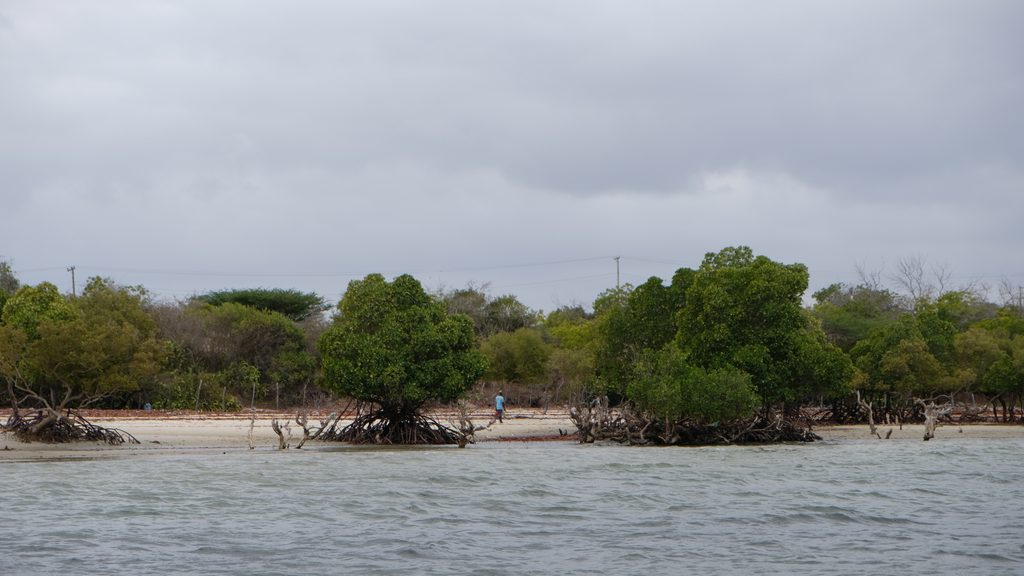
The degradation of mangrove forests is particularly concerning, as mangroves play an important role in coastal resilience while also providing critical nursery, breeding and shelter habitats for fish and other marine species. Damage to these ecosystems can, therefore, reduce fish abundance and catches, with direct consequences for the livelihoods, food security and incomes of small-scale fishing communities.
There is also a broader climate and energy dimension to this case. A refinery is a long-lived piece of infrastructure, and a decision to establish one in Lamu is not simply a decision about investment and energy supply in 2026; it can shape Kenya’s energy system and development pathway for decades. Refineries are also users of vast amounts of electricity – and can rely on fossil fuel sources to generate that energy. A proposed 1000MW power plant is to be built as a source of energy for the refinery.
Kenya’s current Nationally Determined Contribution commits the country to reducing greenhouse-gas emissions by 35% below business-as-usual levels by 2035, increasing renewable electricity generation towards 100% by 2035, and promoting clean and efficient energy use. The proposed refinery, therefore, raises questions about how new fossil-fuel infrastructure fits within Kenya’s longer-term energy transition.
The refinery’s impacts must, therefore, be assessed not only within its immediate footprint, but cumulatively alongside the wider industrial and infrastructure transformation already taking place in Lamu and against Kenya’s longer-term climate and energy commitments.
What next for the families of Chandavai?
The communities affected by the proposed refinery are not presenting a simple opposition to development. They are insisting that development projects recognise the people already on the land, protect them against unlawful displacement, ensure proper valuation and prompt and fair compensation where rights or livelihoods are affected, and create meaningful opportunities for local people to share in longer-term economic benefits.
Yesterday, on the 30 September 2026, the Land and Environment Court directed that the status quo on the land in question be maintained pending a hearing of the substantive application on 14 October 2026. In other words, for now the court has ordered that both parties refrain from carrying out activities at the disputed site.
Natural Justice calls on the Government of Kenya and all project actors to ensure that communities’ rights are recognised, respected and protected. The scale of the proposed refinery demands rigorous assessment of environmental and social impacts, including cumulative impacts. It also requires a clear assessment of the project’s long-term implications for Kenya’s climate and energy transition. Any decision to proceed should demonstrate how the project is consistent with Kenya’s climate commitments, long-term development pathway and obligations to protect communities and the environment.
Lamu should not have to repeat a cycle in which communities seek justice and reparations after land has been cleared and livelihoods have been disrupted. Development must begin and end with rights. Justice is not an afterthought.