For immediate release: 11 August 2026
Arusha, Tanzania: On 21 July 2026, four East African organisations filed a court case in the East African Court of Justice over concerns that Uganda’s Protection of Sovereignty Act violates key provisions of the Treaty for the Establishment of the East African Community (EAC), also known as the EAC Treaty.
The organisations assert that the Ugandan law could undermine regional cooperation, civic participation and civil society engagement. East African CSOs working on human rights, environmental governance and climate justice issues with their Ugandan peers stand to be grossly impacted by the law, the CSOs note.
The four CSOs include Centre for Environmental Research and Agriculture Innovations (CERAI) from Uganda, Youth for Green Communities (YGC) from Uganda, Natural Justice from Kenya and the Organization for Community Engagement (OCE) from Tanzania. All four organisations are working across various African countries, promoting environmental justice and human rights while championing climate action.
The CSOs filed the case against the Government of Uganda and the Secretary General (SG) of the EAC.
ABOUT UGANDA’S ‘SOVEREIGNTY ACT’
Uganda’s parliament enacted the country’s Sovereignty Act on 5 May 2026.
The objective of the law, which was assented to by Uganda’s president on 17 May 2026 and became operational on 22 May 2026, among others is, “to provide for the registration and regulation of agents of foreigners; to regulate the funding and any other assistance to agents of foreigners and for related matters.”
The Act purportedly seeks to protect the interests of Uganda, but provides many vague and ambiguous definitions, imposes extensive reporting and regulation on anyone funded by or working with “foreign agents”, and requires foreign agents to register as such in Uganda.
Ugandan human rights, environmental, and climate justice CSOs among others working with their East African or African peers, are classified as foreign agents, per the law.
ISSUES BEFORE EAST AFRICAN COURT
In the case, the East African CSOs argue that various sections of the Sovereignty Act violate the following Articles of the EAC Treaty:
- Article 5(3)(g) which obliges EAC states to strengthen partnerships with civil society and the private sector to achieve sustainable socio-economic and political development.
- Articles 6(d) and 7(2) of the Treaty, which establish the fundamental and operational principles of the EAC, including good governance, democracy, accountability, transparency, the rule of law, social justice and popular participation in development.
- Article 8(1)(a) and (c) which oblige EAC member states to plan and direct their policies and resources with a view to creating conditions favourable for the development and achievement of the EAC’s objectives while abstaining from any measures likely to jeopardise the achievement of those objectives, or the operation of the EAC.
- Article 127 which obliges partner states to provide an enabling environment for the participation of civil society within the EAC.
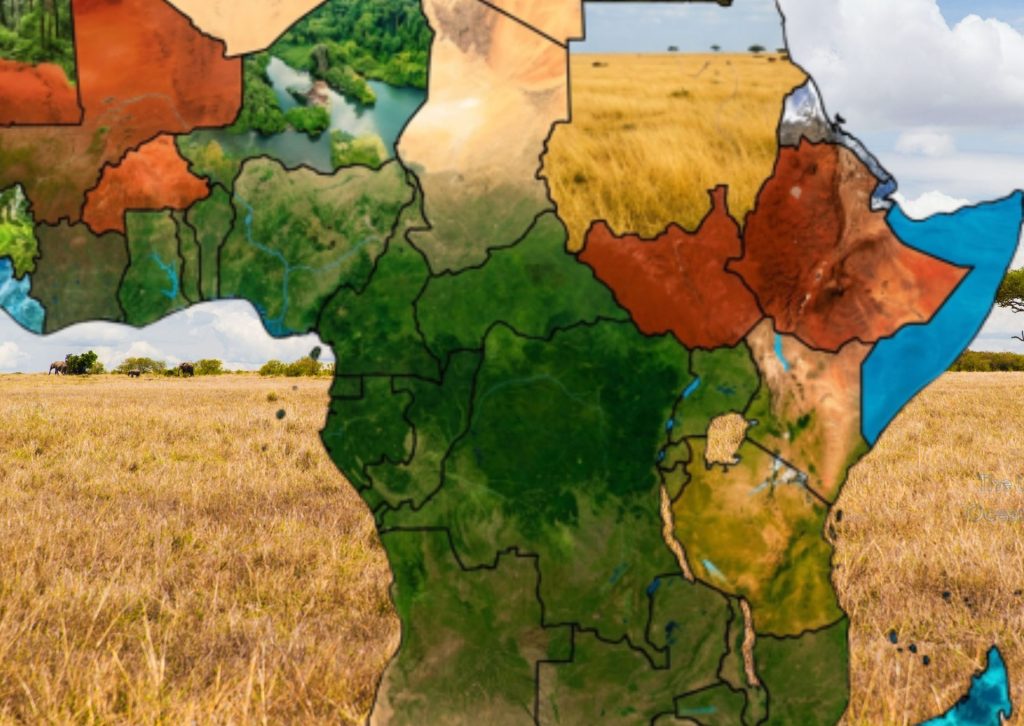
The Treaty came into force in 2000 and established the EAC, which includes the states of Uganda, Tanzania, Kenya, the Democratic Republic of Congo (DRC) and others. The objective of the Community is to “develop policies and programmes aimed at widening and deepening co-operation among the Partner States in political, economic, social and cultural fields, research and technology, defence, security and legal and judicial affairs, for their mutual benefit.”
The effect of the Sovereignty Act is that the CSOs in the countries that make up the EAC could face challenges in cooperating across borders, implementing joint conservation and environmental management projects, responding to climate disasters and crises and engaging in sustainable development initiatives.
The limitation on civil society relationships and cooperation across borders stands to create barriers to regional funding, technical assistance and strategic partnerships, which could compromise attainment of the EAC objectives.
REMEDIES SOUGHT
The CSOs are seeking the following remedies from the EACJ:
That the Court directs the Ugandan government to take the legislative, administrative or other measures necessary to bring the Protection of Sovereignty Act into conformity with the EAC Treaty; and that it orders the Ugandan government to refrain from applying or enforcing the 25 sections of the Protection of Sovereignty Act that the CSOs believe violate the EAC Treaty.
The CSOs have also asked the EACJ to consider the actions of the Secretary General of the EAC in failing to investigate Uganda’s Protection of Sovereignty Act’s compatibility with the EAC Treaty and to refer the matter to the Court. They have asked that the SG be directed to monitor and report on Uganda’s compliance with the court’s orders.
“The East African Community is built not only on economic integration, but also on shared commitments to the rule of law, good governance and meaningful participation of civil society. When national laws create barriers to legitimate cross-border cooperation, they risk weakening the very foundations on which regional integration depends. This case therefore goes beyond the interests of individual organisations: it asks an important question about whether civic space, regional solidarity and the ability of communities and civil society to work together across borders will continue to be protected within the East African Community.” – Elizabeth Kariuki, Kenyan Hub Director, Natural Justice
Mr. Gerald Barekye of CERAI says, “Our organisation has been collaborating with Ugandan and other organisations across East Africa to promote clean energy access. We have undertaken research, community awareness raising and distribution of clean energy technologies.”
Mr. Richard Sekondo of OCE adds, “This work is key to ensuring that East African communities are part and parcel of the clean energy transition. Uganda’s Sovereignty Act threatens this and other climate justice work. In the interest of all East Africans therefore, we filed the case and we hope that it will be successful.”