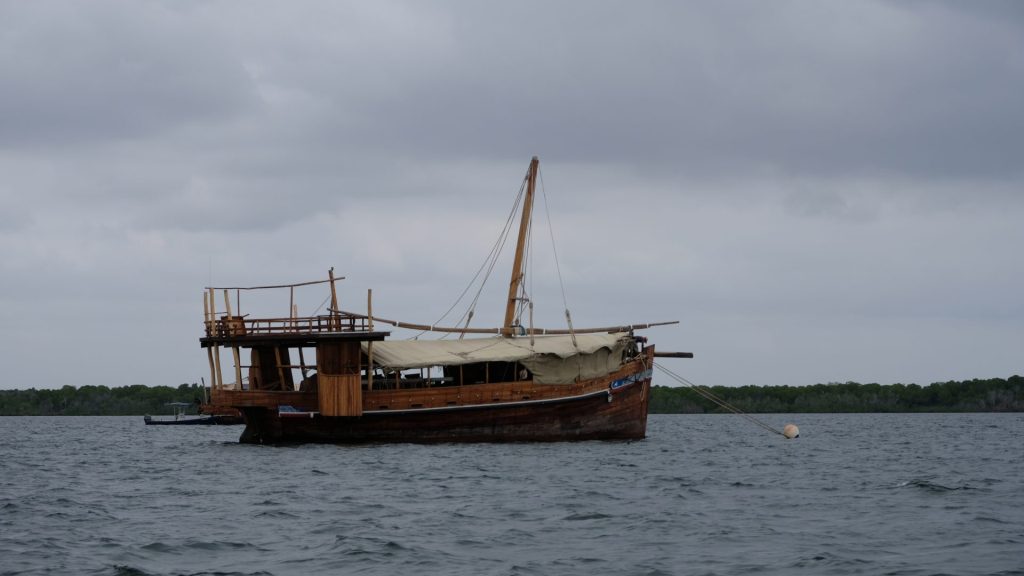
Along Kenya’s almost 600km coastline, it is common to see the dhows of small-scale fishers launching from landing sites, whereafter they spend their days fishing for anything from mackerel, lobster and octopus to snappers and prawns. Most of their catch is sold in local markets, sustaining a local economy built on fisher livelihoods.
Kenya’s fishing industry is made up of artisanal, as well as some commercial fishing. According to the Kenya Fishers Service, about 700 000 people rely directly on fishing for their livelihoods. However, the sector is not without multiple challenges – particularly around institutional governance and the inclusion of fishers in decision-making.
In November 2025, after more than two years of follow up requests that had not received any response, Natural Justice sought information from the National Land Commission (NLC) and the State Department for Fisheries, through the Commission on Administrative Justice (CAJ), on the status of fish landing site surveys and the implementation of survey recommendations. Following the release of a long-awaited survey report on fish landing sites in Kenya’s coastal region and Nyanza, it became clear that the landing sites were dysfunctional, or subject to capture by outside interests.
The management of fishing sites
Kenya engages in a co-management approach to fishing through Beach Management Units, which hold particular powers and responsibilities. They have been tasked by the government to ensure safety, management of beach landing sites, as well as the training of members on correct fishing practices, and the monitoring of fishing gear.
While on paper, the task of the BMU seems straightforward, fishing communities have faced challenges in securing fish landing sites due to unclear boundaries, lack of formal gazettement, encroachment by private interests, and delays in government processes.
Without functional BMUs, the fisheries sector is vulnerable to over-fishing, ghost gear and other pollution, as well as unfair and unequal practices which may harm livelihoods.
Natural Justice’s work with Beach Management Units
So it is that Natural Justice has embarked on an extended project to engage with the BMU Network, BMU leaders, and BMU members from the coastal counties of Kwale, Mombasa, Kilifi and Lamu, to support discussions, verification exercises, and action planning around the protection of fish landing sites.
Although the NLC acknowledged that inadequate funding had slowed implementation of the survey findings since 2019, the release of the report created an important opportunity for communities to understand the status of their landing sites and identify practical steps toward securing them.
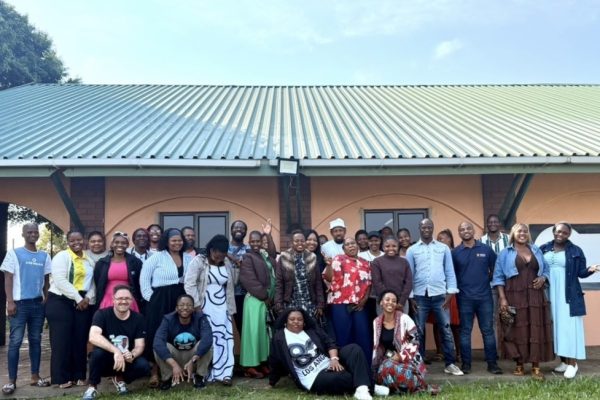
Natural Justice partnered with the BMU Network to convene dissemination and validation meetings with BMUs in, Kilifi, Lamu, Mombasa and Kwale counties. During the meetings, participants agreed on several key actions which will allow them to move beyond discussing long-standing challenges, to taking concrete steps toward securing their fishing infrastructure and livelihoods.
What has been achieved so far?
Notable outcomes including mapping of landing site boundaries and initiation of discussions with the Ministry of Lands and the County Departments of Fisheries to secure the sites.
The meetings also strengthened collaboration among BMUs and enhanced their understanding of legal and administrative processes related to land tenure and fisheries governance.
It is clear that fishing communities are still vulnerable in the face of poor information flows, as well as poor implementation of budgetary commitments by the government. However, advocacy by BMUs is likely to change this – ensuring timely information, and more of a role for BMUs in future decision-making, data collection and enforcement.