
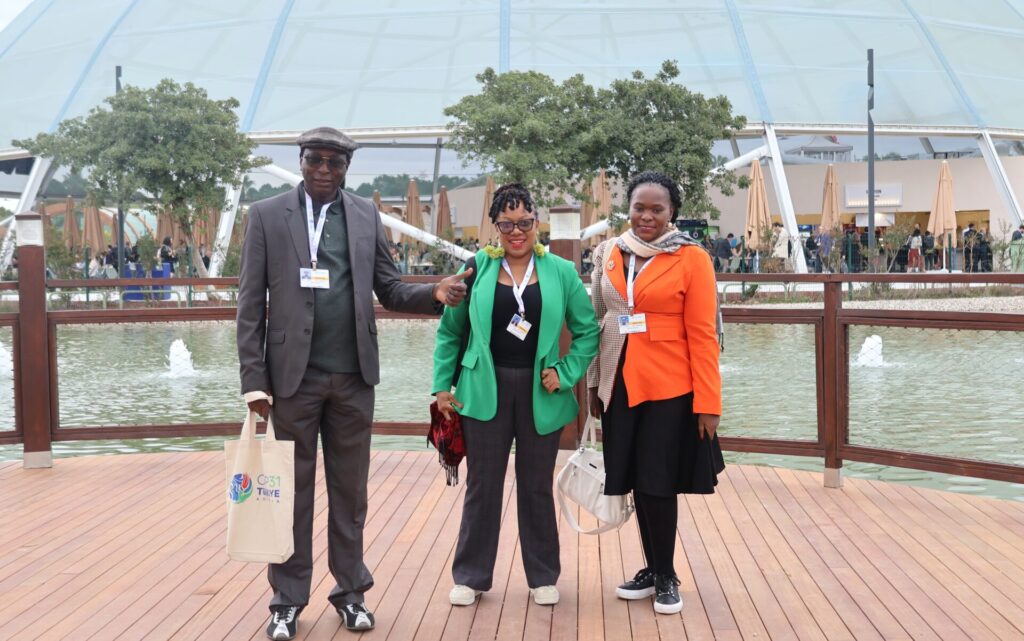
Three environmental human rights defenders whom Natural Justice hosted at this year’s United Nations Framework Convention on Climate Change summit – COP31, in Antalya Türkiye, said the experience has left an indelible mark, has encouraged them to find ways to unite all defenders, and to seek more international exposure on the real challenges they face collectively.
The three defenders, from various regions across Africa made full use of their time at COP31, networking, learning and participating in as many activities as they could.
Finding the unified voice and the unsung heroes
After spending a week at COP31, Lilliane Babirye, a Ugandan environmental human rights activist, felt compelled to start unifying all Africa defenders for COP32 to speak with one voice. Lilliane is the Executive Director of the Center for Women’s Land Rights that works for the protection of land, the environment, forests, and vulnerable people.
She said: “We do this work because we believe we cannot protect our environment, we cannot protect the land – without protecting the people that protect this land.” Apart from being a woman environmental defender she is also an activist and a politician in Uganda. She said her time at COP was a great opportunity and she found comfort in learning that other defenders across the world faced similar challenges as she did in her country.
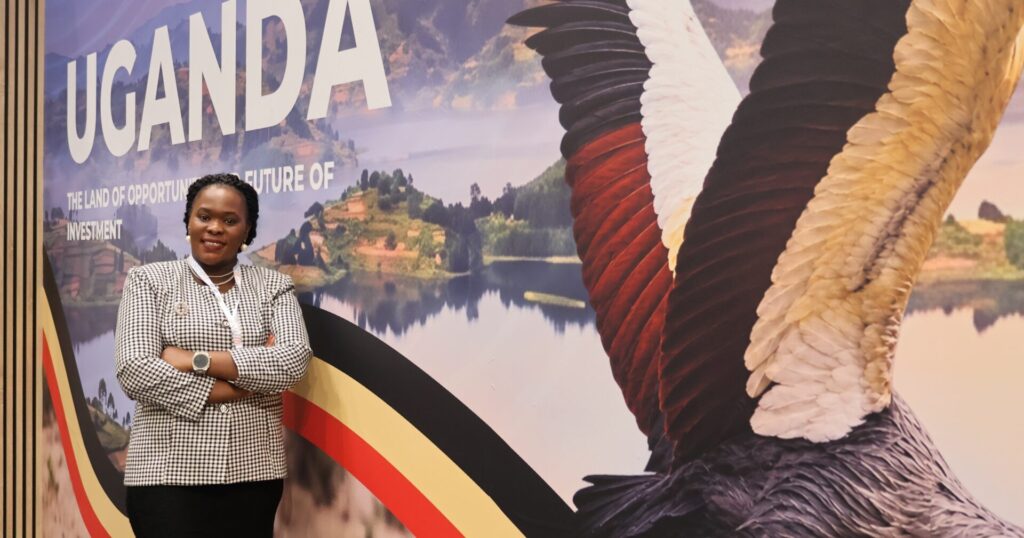
“The challenges in Africa are the challenges in Asia. There are challenges in Latin America, and we all came together to bring our voices together,” Lilliane said. There were many similarities and poignant issues that stood out for Lilliane. One key matter was the fact that environmental defenders worldwide, wanted to lobby for an environmental defender’s fund that can support and protect the environmental defenders.
“You find that the invisibility of environmental defenders is very sound, and an environmental defender will only be noticed – will only be recognized when they are in danger, when they are in prison, when they are very ill, and sometimes when they are dead. That’s when they become heroes. But remember this, environmental defenders do good work already. But no one funds their documentation, no one funds their research, no one funds their daily hassles they go through. So, we are saying if there is an adaptive fund that came up out of cop why not an environmental defender’s fund?”
She also noted the need to create a policy – a national framework that protects environmental defenders.
“It came out clear, that there are so many human rights protection mechanisms at international level, but there isn’t any single law that protects defenders worldwide. This is something we have also been pushing at COP, and the voices came out loud and clear, that defenders need protection internationally, that is legally sound and bound.”
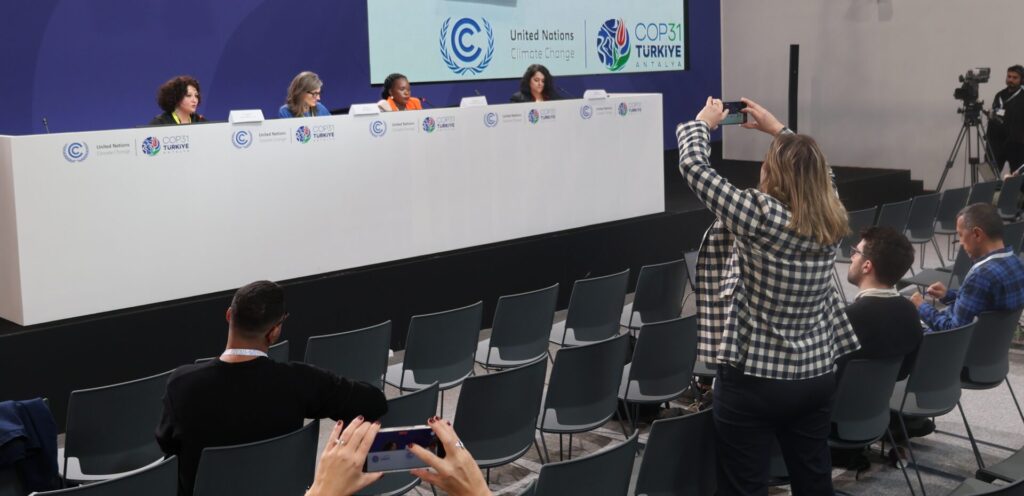
She noted the need for organizing as activists.
“Let’s come together before a COP and put together what we want to demand as environmental defenders. Table it very well and present it for COP – and the negotiators to take in what we want to do, what we want to achieve, and the protection mechanisms that we need. I think that is very good, because then we come with one voice as environmental defenders.”
Lilliane was grateful for the opportunity and to be chosen to represent among the many African defenders.
“Thank you for bringing me here (To Antalya) to enjoy the exposure, to share the space, to know how it feels. I’ve been hearing about so many COPs but this was my very first time to attend COP. It is a pleasure it is an honour, and for also identifying for me space where I would raise my voice that is very important as a woman environmental defender from Uganda and Africa.”
Owning the space as defenders
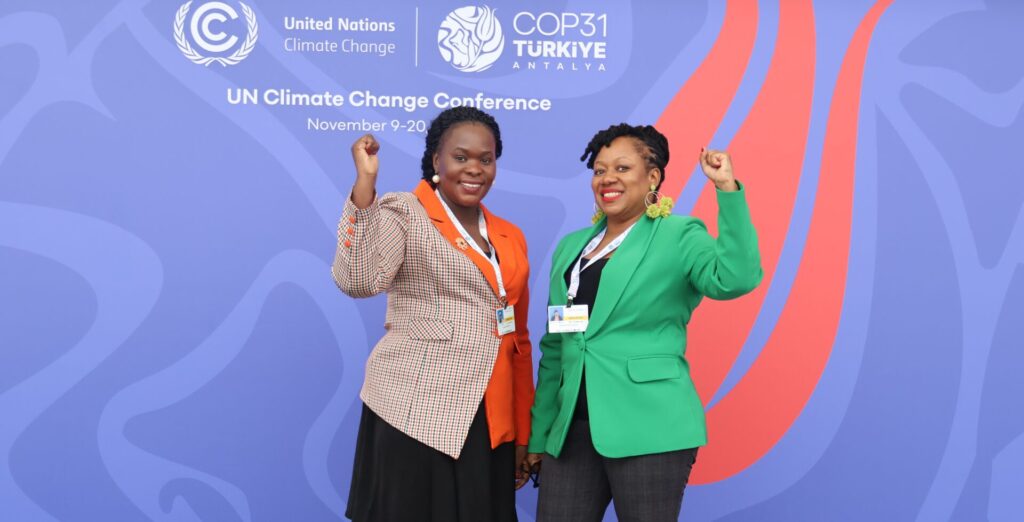
Sibusisiwe Dube, an environmental human rights defender from Zimbabwe, is the director of an organization called the National Youth Development Trust – an organisation that focusses on several youth capabilities building thematic areas, including climate change and livelihoods.
Like Lilliane, she too was surprised to learn how similar her struggles were to other defenders – particularly those in Asian countries. While visiting the pavilion area and listening to discussions regarding youth and women, sustaining climate adjusters and sustainability, hearing the beginning strategies on how to bring in young people to the table about climates and climate action, she found it intriguing how these topics were integrated into training and education systems.
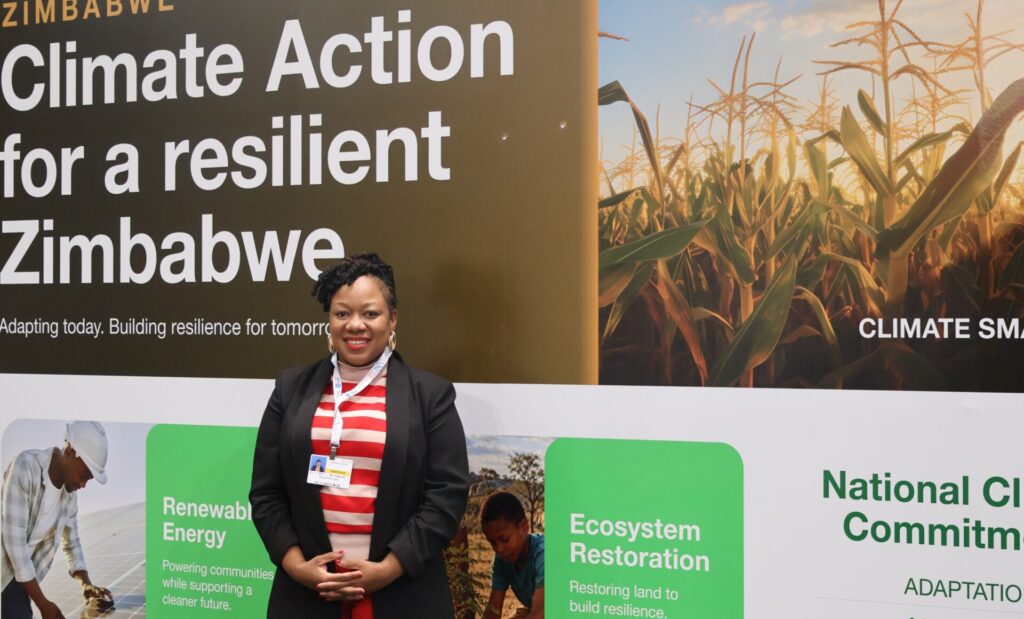
“In fact, it was about infusing this topic on climate change and climate action into their curriculums at schools and how they may be working with the ministries of youth Ministry of Education and teachers in higher institutions.”
She said it was imperative that women should have a seat at the table in decision-making processes.
“As a woman environmental human rights defender, I was particularly interested in the gender issues, and I had the privilege of getting into discussions or consultations that spoke about the need for women to be decision makers in this forum – COP 31 and prep for COP 32.”
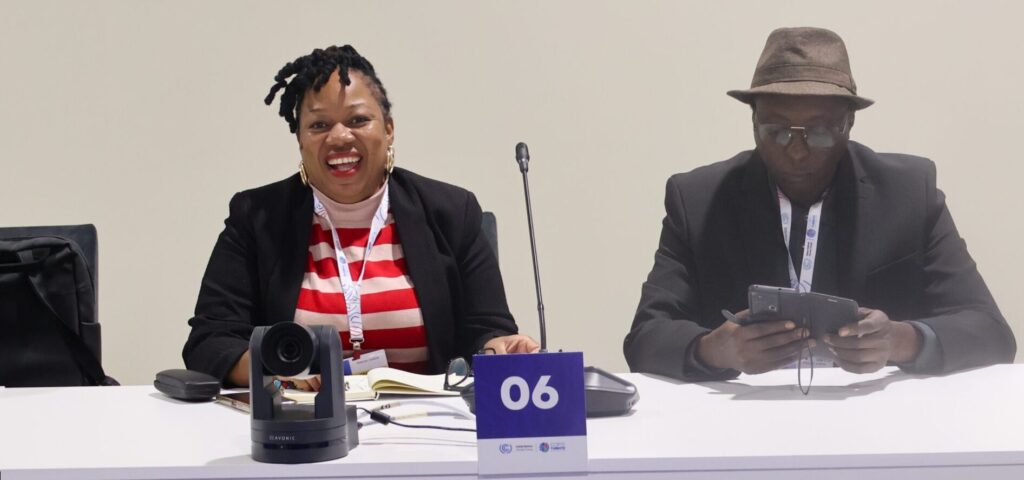
Sibusisiwe said she felt strongly that human rights or environmental rights defenders should own the term.
“Because most women, we just work in climate justice, climate change issues, livelihoods, but we do not own the name of being environmental human rights defenders. When we had these discussions and consultations during COP31 we resolved that we should start owning our space as defenders, and when you go to these forums we should speak as environmental human rights defenders.”
“And overall, I’d like to thank Natural Justice for offering activists like me the opportunity to come at these big platforms and to put my inputs, to air my views, to contribute to the bigger UNFCCC framework in terms of environment human rights defenders and as a woman from Africa thank you.”
COP31 – is an opportunity for humanity to take a new approach
Defender Amath Wade from Senegal found the experience enlightening and he was pleased at the opportunities to talk about important projects he has been involved with.
“For me, COP is a great surprise because it allowed me to meet other environmental defenders in other countries. It also allowed me to discuss the problem of Lac Rose and its environment and climate and also talk about the projects that are harmful for the Lac Rose, projects such as the Ville Verte project of Casa Oroscom, which is bad for the environment of the Lac Rose, for the destruction of the environment, biodiversity, and finally the destruction of the lake.”
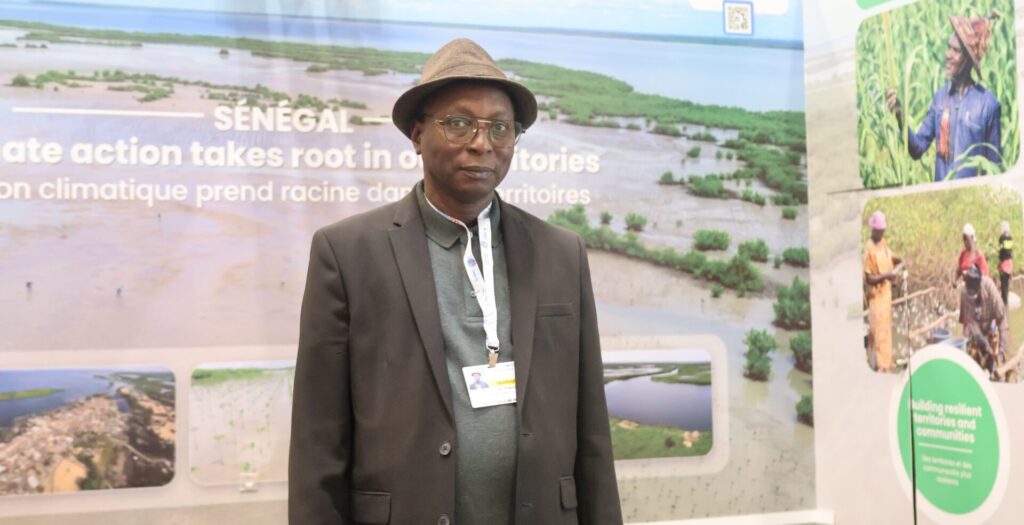
Amath believes in the work he does because of the intrinsic connections have to the earth and called for action.
“I am really happy to find partners who understand the challenge of the project. Meeting other countries, who understand that today the environment is a part of our needs. To breathe clean air. To live in a healthy place in order to not get sick. The environment has been part of our intangible heritage. We can no longer dissociate man from the environment. This is the new approach that everyone must have, to put in place actions to fight against global warming, to fight against all the biodegradation of our environment. This is part of man’s needs, such as food and breathing.”
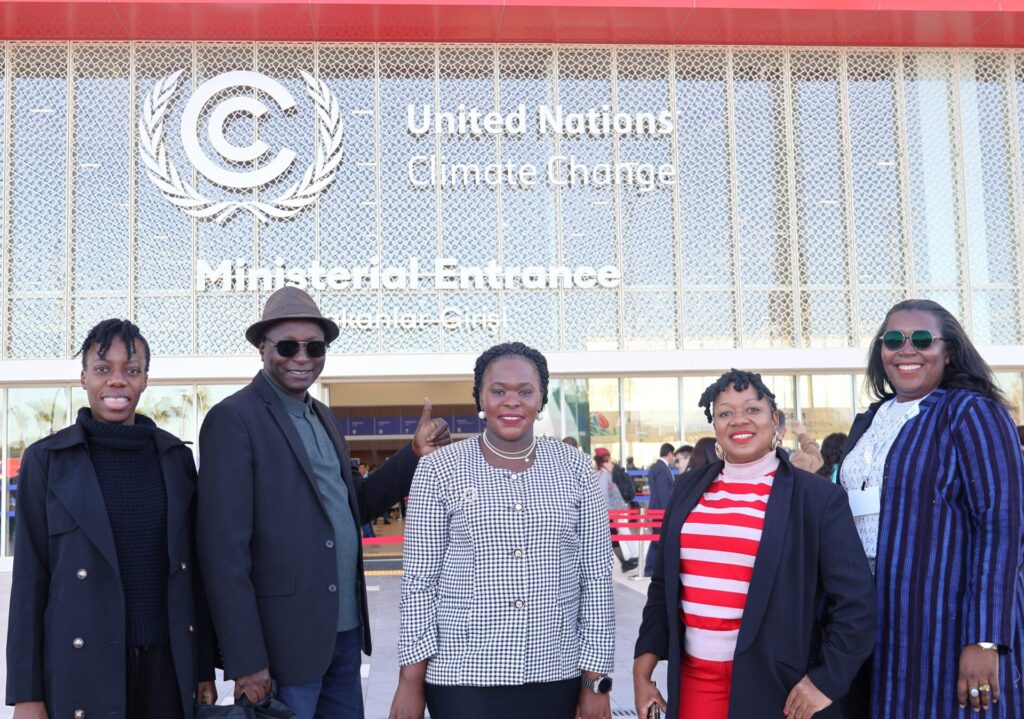
Tawonga Chihana Coordinator for the African Environmental Defenders Initiative at Natural Justice said The COPs provide an important global platform for debating and shaping issues that directly relate to the work they do as environmental human rights defenders.
“By supporting defenders to participate, we hope to strengthen their agency, and meaningful participation in climate-related decision-making processes, and enable them to bring the knowledge, experiences and insights gained back to their communities and countries.”
This year, the defenders actively engaged in various spaces and processes. They participated in informal consultations on different issues, including women environmental defenders in the context of implementing the Belém Gender Action Plan. They also took part in civil society-led actions calling for human rights-centred climate solutions, contributed to panel discussions advocating for the recognition of environmental defenders within the climate process, and attended side events aligned with their work and areas of interest.
“We will continue to support defenders to attend these spaces because we recognise the importance of empowerment, meaningful participation and defender-led advocacy. At Natural Justice, we believe in the power of community voices in shaping decision-making processes. This is why we support environmental human rights defenders to participate in global spaces such as the COPs. It reflects the core of our work – standing in solidarity with impacted communities and wider civil society to demand meaningful change.”