
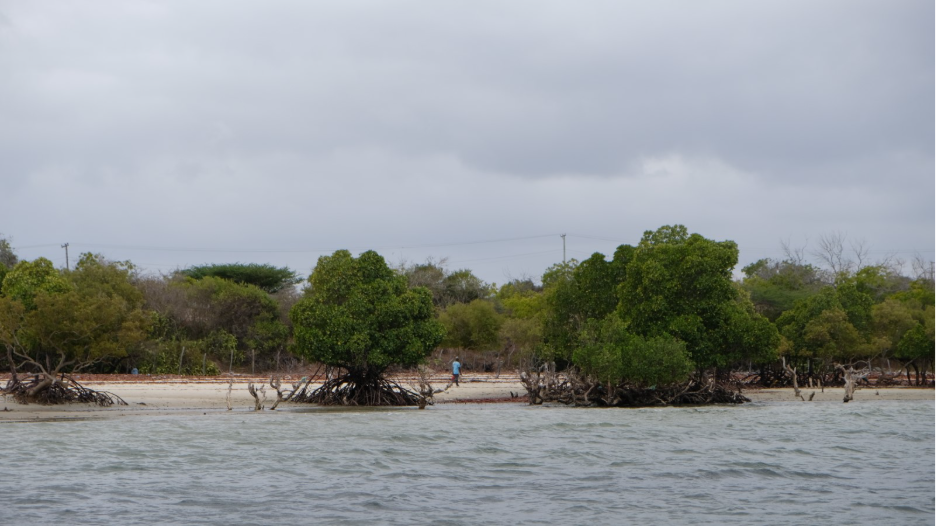
Along the coastline of Kenya, over the past few years, Natural Justice has borne witness to the mass destruction of mangrove forests to make way for port developments and salt pans. For anyone who understands the enormity of the value of mangroves, it is heartbreaking and concerning to see the death of numerous trees and the specialized species that live there.
What are the trends in their destruction and restoration, what makes them so important and in what ways should the Kenyan government change its policies and actions to preserve more of these shoreline species?
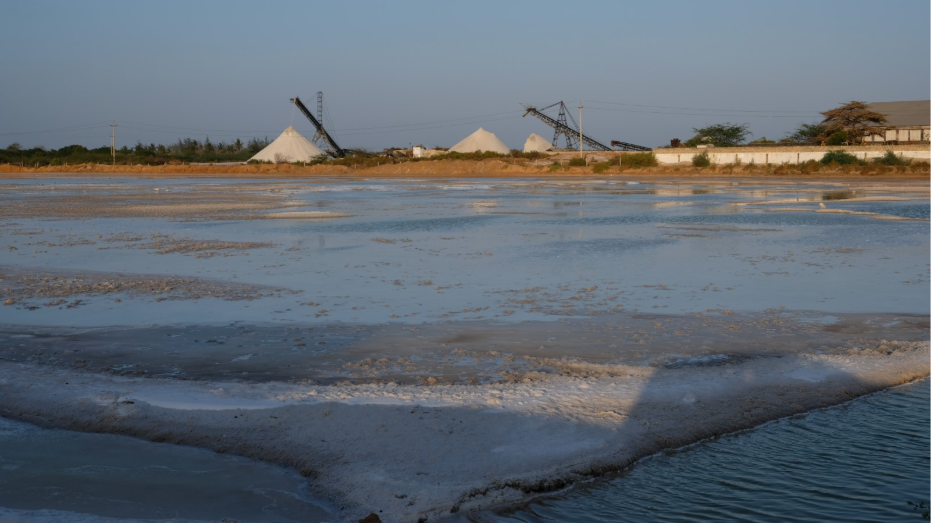
In Kilifi County, home to numerous salt companies, an estimated 1500 hectares of mangroves have been cleared for salt pans. Not only has this encroached on this key forest species and now threatens mangrove forests which were gazetted as protected areas in 1932, it has also resulted in leakages of saline water onto the agricultural lands of neighboring communities and polluted water supplies.
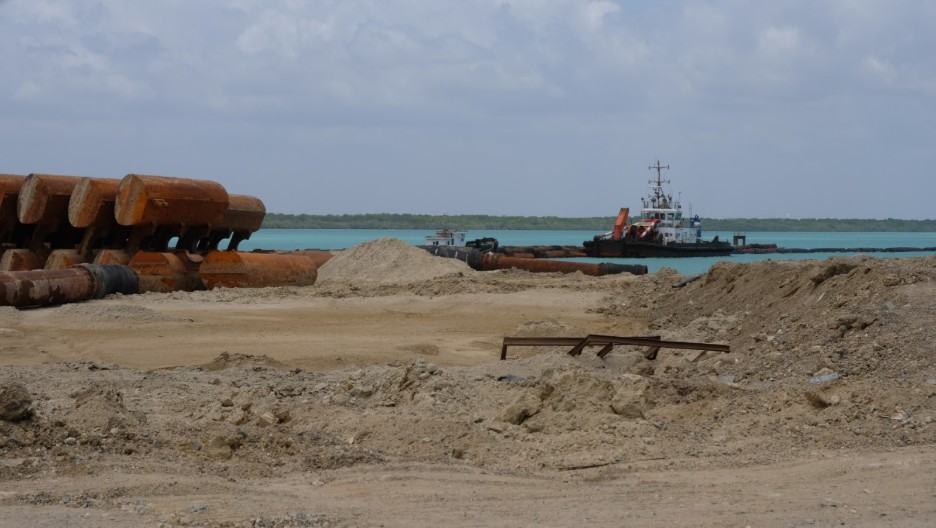
In Lamu County, where 70% of Kenya’s mangroves exist and which hosts eight to nine tree species present in the country, the Lamu Port South Sudan-Ethiopia Transport (LAPSSET) corridor has resulted in a port development in Manda Bay that has already removed 2.4 hectares of mangroves, just in the initial phase. With a remaining 29 berths planned (of 32), the destruction will continue.
While both these cases are distressing for the reason that they point to cases of lasting damage, there are pockets of restoration initiatives, often lead by communities.
Why should we be protecting mangroves
Mangroves are important for many reasons, and Kenya’s mangroves are specifically important because Kenya is one of four countries that hosts over 90% of the mangroves found in the West Indian Ocean ecosystem. The Kenyan government, therefore, not only has a responsibility to the people of its coastline to protect mangrove forests, but it has a regional obligation to ensure the health of the marine and ocean environment – for as we all know, the ocean knows no boundaries. What is done in Kenya will affect neighbouring states.
Mangroves forests are quite extraordinary, growing where no other species can, due to the high levels of salinity found on the shoreline. Adapted over millennia, they are crucial for protecting the coastline environment, home to many fish, bird, snail and other species (some of which are not found elsewhere), and an important spawning site for many fish species, that take advantage of the calm waters and relative shelter of the trees to lay their eggs.
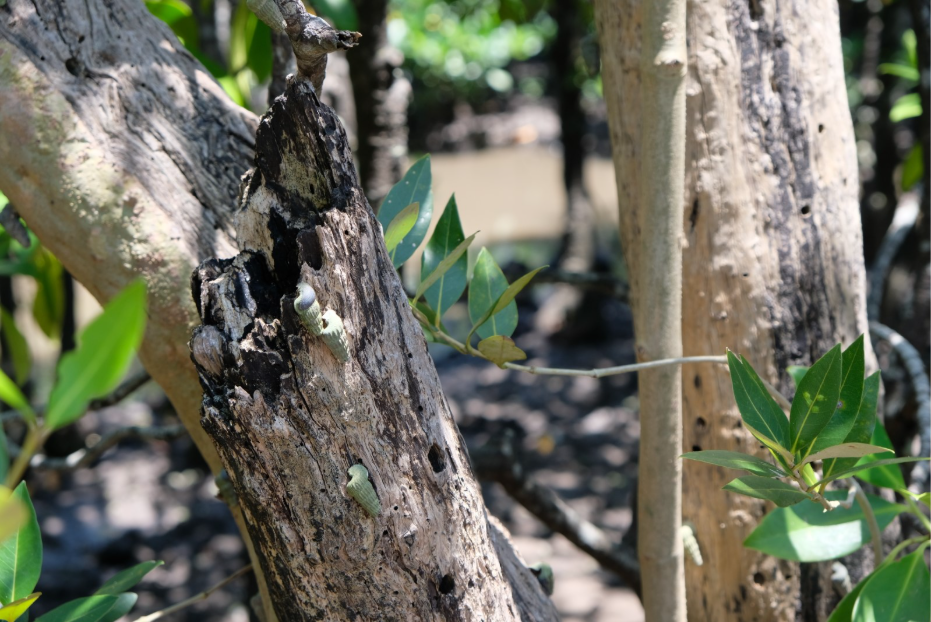
Mangroves are also valued for their contributions to climate change mitigation, acting as enormous carbon sinks with the ability to store five times as much carbon as forests on land. In terms of climate change, the importance of mangroves in flood prevention and in mitigating the results of sea level rise mean that removing these forests exposes communities to flooding, which is especially destructive when the salty water reaches freshwater rivers or streams. With the expected increase in sea level rise, hurricane and tsunami events, and wave surges, caused by a warming ocean, this particular role of mangrove forests is going to become more and more valuable.
The legal and policy environment for mangrove management
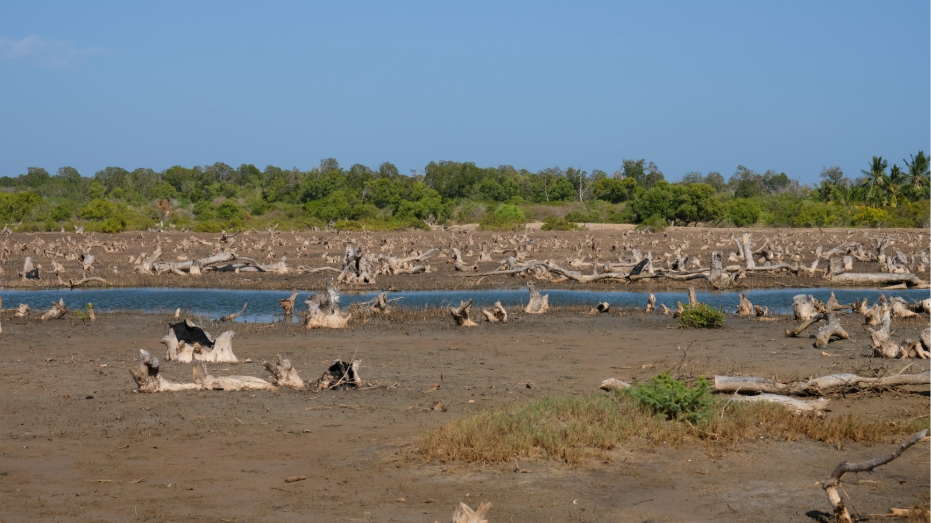
Mangrove management and protection in Kenya through legislation and policy hasn’t been all that effective over the long term. The United Nations Environmental Programme, in 2009, estimated that about half of the mangroves on Kenya’s coast have been lost over the past 50 years due to the overexploitation of wood products and conversion to salt-panning, agriculture and other uses. Mangroves remain threatened by both human induced and natural drivers including oil spills, new developments, land grabbing, logging, and encroachments
As recognition of the value of mangroves has shifted, however, so Kenya has turned towards finding ways to preserve or restore mangrove, notably through “carbon credit” projects which pay communities to conserve mangroves.
What has Kenya done in the past and what does this show us about the future?
In Kenya, two key pieces of legislation are meant to regulate and manage mangroves: the Environmental Management and Co-ordination Act (EMCA) 1999 and the Forest Conservation and Management Act, No. 34 of 2016. Besides the laws, the National Mangrove Ecosystem Management Plan (2017-2027) was developed to guide the management of mangroves. In addition, the Mangrove Ecosystem Restoration Guideline (2025) was developed to aide in restoration management and other environmental laws.
However, the fragmented approach to mangrove conservation, as well as overlapping mandates from government departments, has meant that there has not been a coordinated and strategic approach to mangrove conservation. Policy and regulations have gone unheeded, and key data around mangroves in Kenya is missing.
Who will protect the mangroves?
Following research conducted by Natural Justice, we have developed some policy guidelines and recommendations. Some of these relate to the development of an overarching law, as well as a regulating body, but also the development of “state of mangrove” reports and better enforcement mechanisms.
Most importantly, however, is a more central role of communities in the management of mangroves. Kenya, through the EMCA, can provide for an integrated national coastal zone management plan. This could be a key piece of planning for the future of mangroves, but fails to provide for the involvement of community members and indigenous communities. Yet, sustainable mangrove management cannot be achieved without the integration of communities into planning, decision-making, knowledge sharing, monitoring of mangroves, and restoration efforts. There is a need to ensure that communities continue to practice sustainable and cultural use of mangrove resources.
This is why our policy recommendations calls for the integration of communities in mangrove management. This includes recognition of community land rights where appropriate, establishment of community-conserved areas, strengthening community participation in mangrove governance, and promoting alternative livelihood planning.
Ultimately the conservation and restoration of mangroves will have priceless benefits, and the Kenyan government needs to act now.
*On the 26 July every year, we celebrate the International Day for the Conservation of the Mangrove Ecosystem