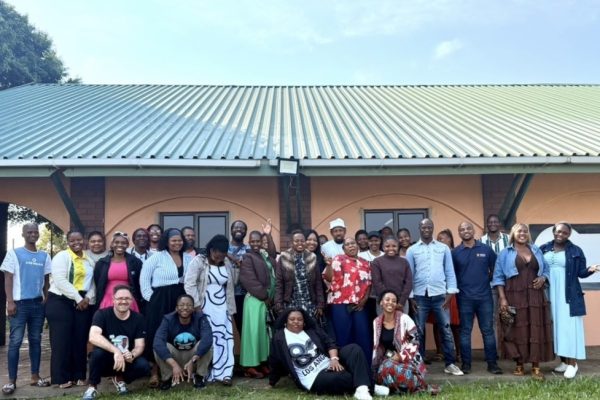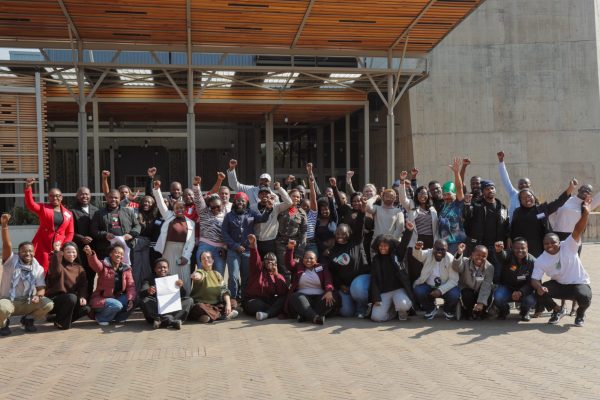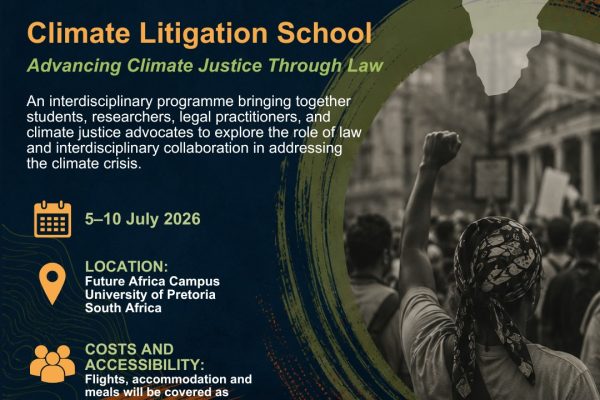
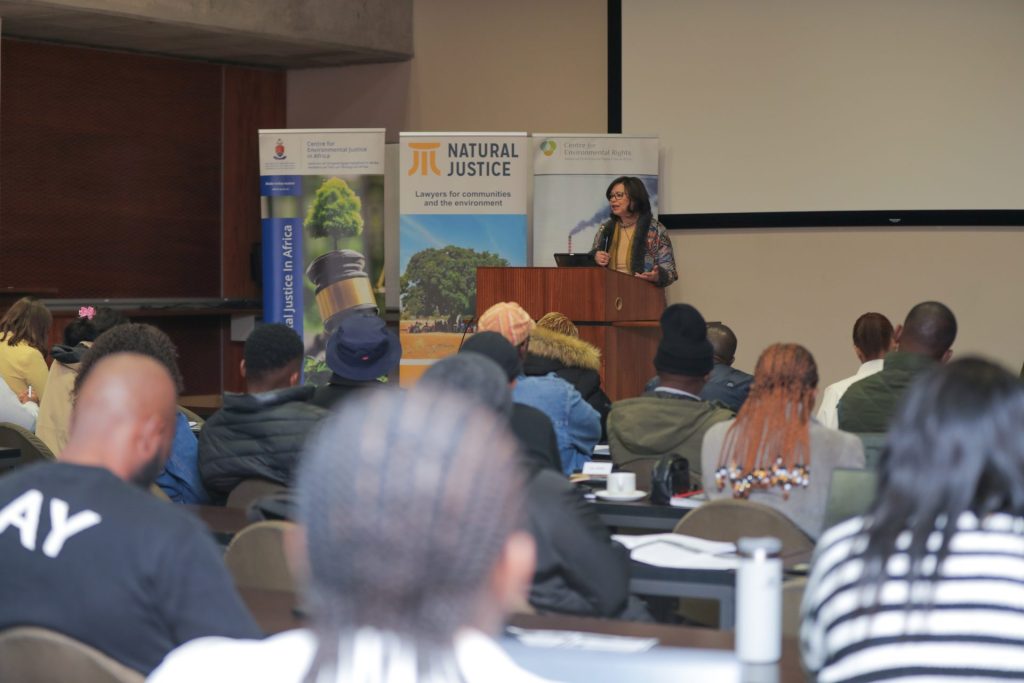
6 July 2026, Pretoria, South Africa – Despite being in recess, there was excitement at the University of Pretoria’s Hatfield’s campus during the official start of Climate Litigation School 2026. The winter school has brought together 40 participants – including lawyers, students, researchers, and climate justice practitioners – from across South Africa to be hosted at Future Africa Campus.
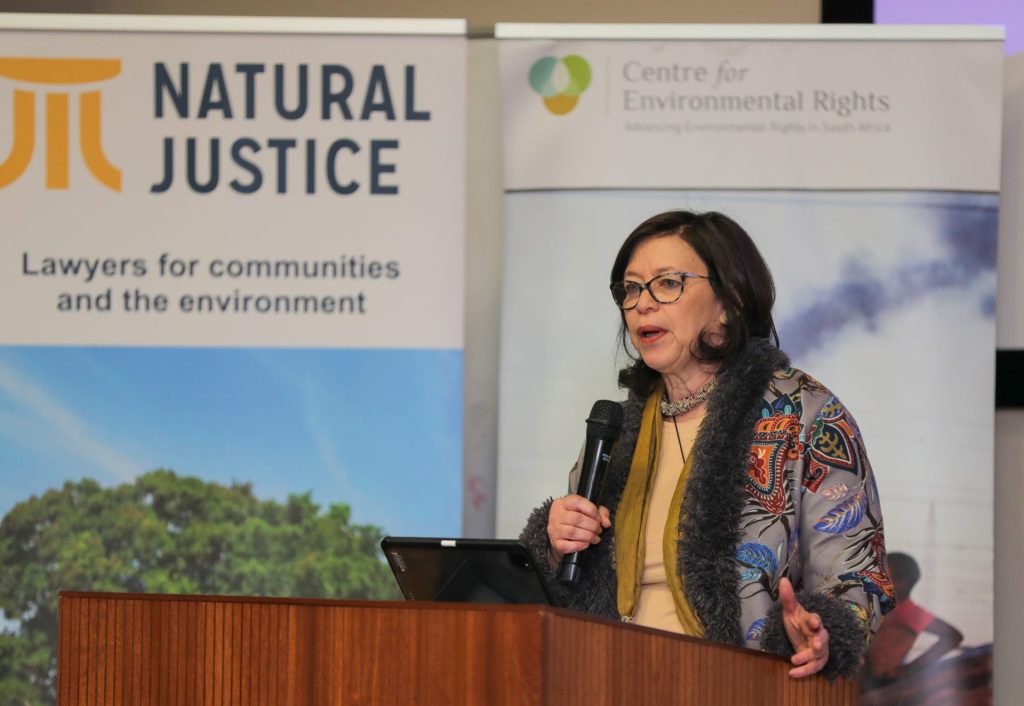
Vice-Principal: Academic at the University of Pretoria and keynote speaker, Professor Loretta Feris, lauded the school’s objectives and noted that this is the first dedicated, consolidated Climate Litigation School of its kind on the African continent.
“When we say we are proud to be a partner in this school, we mean it in the fullest sense. We are not attending someone else’s programme. We are present at the founding of something new.”
She noted that the school will provide an important collaborative space for scientists, lawyers, academics, and knowledge holders.
The litigation school is a pilot project coordinated by Natural Justice, the Centre for Environmental Rights and the University of Pretoria’s Centre for Environmental Justice in Africa.
Why we need to act NOW!
Professor Feris reminded the participants that the timing of this school is not incidental.
“South Africa is entering what may be the most consequential period for climate governance in its history. The Climate Change Act is now being operationalised.”
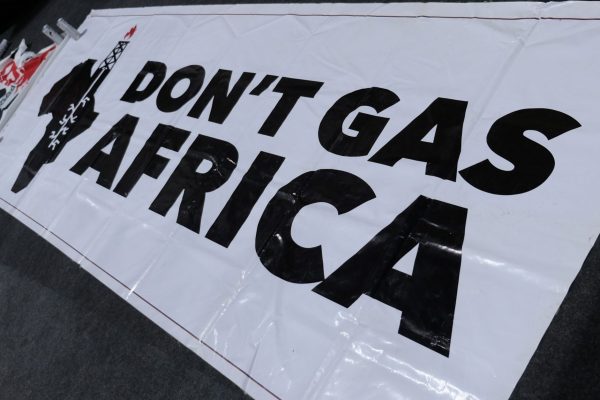
She highlighted key laws, policies and cases that could have significant future impacts – including the Upstream Petroleum Resources Development Act which has opened a new regulatory frontier for the uptake of fossil fuels in South Africa. Draft legislation on mineral and petroleum resources is raising urgent questions about land tenure and public participation of mining-affected communities.
“And over the next two years, we expect a wave of litigation — particularly around offshore oil and gas — that will shape environmental jurisprudence for a generation.”
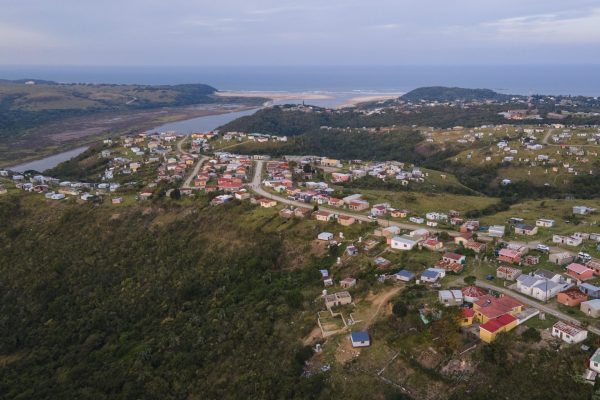
She noted how coastal communities on South Africa’s west and east coasts are absorbing the pressure of overlapping oil, gas, and infrastructure applications, often with limited access to information and limited capacity to navigate technical EIA processes.
“The gap between what the law promises and what communities can actually exercise is precisely the gap that participants to this school will be capacitated to close.”
She said that there are precedents to learn from, such as the Deadly Air case, brought by the Centre for Environmental Rights on behalf of the Vukani Environmental Justice Movement in Action and Highveld communities. The judgment established, for the first time in our courts, that the South African government’s failure to act on environmental harm can itself violate constitutional rights — a finding upheld by the Supreme Court of Appeal only last year. She also highlighted how the Shell Wild Coast litigation, brought by affected communities and Natural Justice, has put indigenous knowledge and spiritual significance at the centre of an environmental law judgment — a case that has since been cited internationally.
“The task before this school is to make sure that knowledge doesn’t stay locked inside a handful of organisations and a handful of judgments. It needs to become a shared, transferable skill — for lawyers, for legal empowerment officers, for traditional knowledge holders, for students — across South Africa and across Africa.”
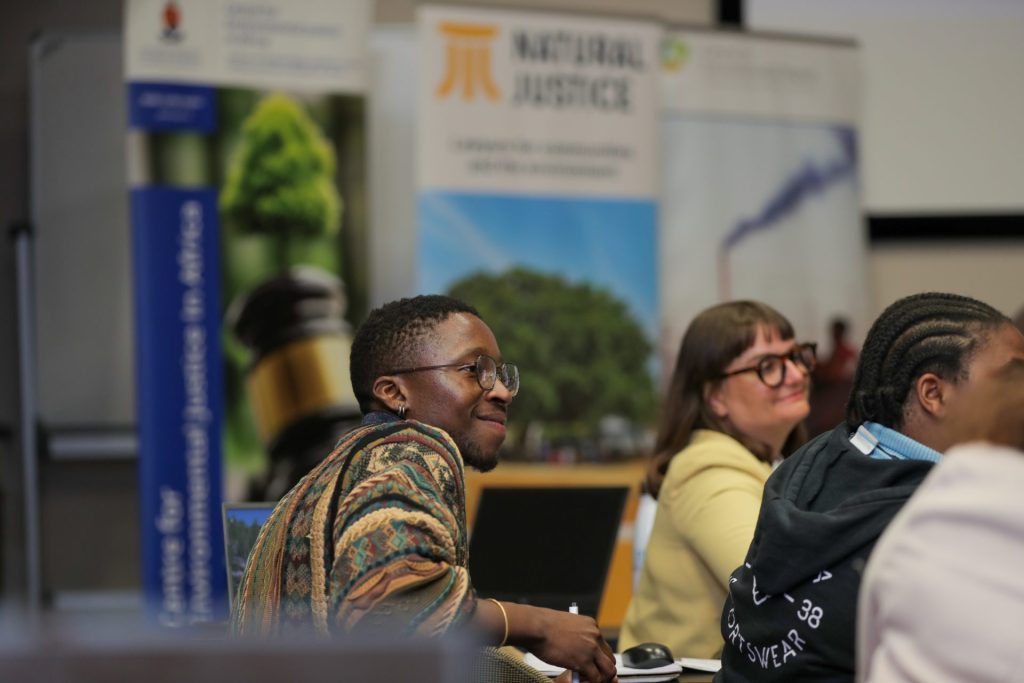
The inaugural Climate Litigation School
The call for applications from attendees to the CLS garnered significant interest from across the globe, with more than 2000 applications received. Beyond traditional legal education, the school will focus on practical, context-specific training, drawing from landmark climate cases, participatory methodologies, and rights-based frameworks to support strategic litigation grounded in environmental justice.
This week participants will explore the role of law and interdisciplinary collaboration in addressing the climate crisis, focusing on key themes including climate litigation strategies, environmental governance, climate science, and the role of legal and community advocacy in advancing climate justice.
Emphasis will be placed on integrating scientific evidence and Indigenous and traditional knowledge into legal strategies.
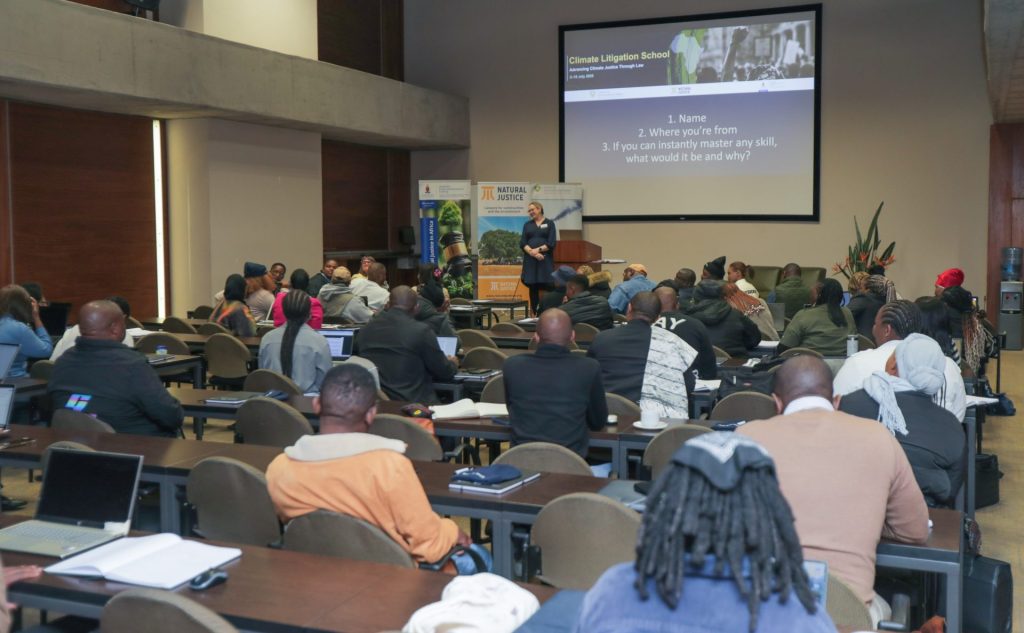
A special message for participants.
The room is filled with an atmosphere of enthusiasm and a shared spirit to share, learn and grow from diverse perspectives and experiences offered by fellow participants and the rigorous CLS curriculum.
To the School’s participant’s, Professor Feris added: “You are going to move between climate science and courtroom strategy, between constitutional argument and indigenous knowledge systems, between lecture and simulation. That is deliberate, and it will not always be comfortable. Interdisciplinary work rarely is. But it is precisely that discomfort — the discomfort of a lawyer having to sit with an uncertainty range in a climate model, or a scientist having to think in terms of standing and remedies — that produces litigation strong enough to hold up in the courts our communities actually need it to hold up in.”
“You are joining a small but growing community of African climate litigators. You will leave this week with case knowledge, with a network of peers …and — if Thursday and Friday go as planned — with an actual litigation strategy you have built and defended in front of your colleagues.”
The school will be a space for sharing and learning, which is essential as the pursuit and exchange of legal knowledge in South Africa has been a building block for democracy in this country. We are thrilled that young activists and lawyers, as well as scientists and students, now get a chance to learn how they too can contribute to setting precedents that can transform the future. We wish them all the best!