Kenya is widely recognised as a leader in renewable energy in Africa. With geothermal resources in the Rift Valley, strong wind corridors in the north and abundant solar radiation across the country, Kenya has made significant progress in shifting its energy mix away from fossil fuels. Projects such as the Menengai Geothermal Project, the Garissa Solar Power Plant and the Lake Turkana Wind Power Project represent important milestones in this transition. Together, they demonstrate the country’s commitment to expanding clean energy generation while meeting growing electricity demand.
But while these projects represent progress in energy development, they also raise an important question: what does the energy transition mean for the communities living closest to these projects?
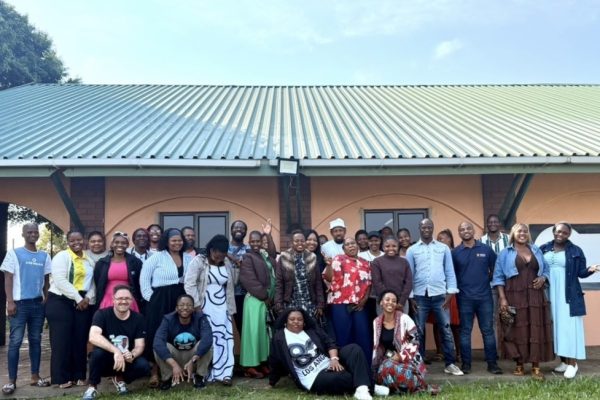
Through legal empowerment sessions with communities in counties hosting major renewable energy projects, a number of concerns emerged that deserve greater attention in conversations about Kenya’s energy future. These discussions were not about opposition to renewable energy. In fact, many community members expressed pride in hosting projects that contribute to the country’s development and climate commitments. However, they also raised important questions about participation, access to benefits and the fairness of development processes.
Community concerns around Kenya’s key projects
In Nakuru County, communities living near the Menengai Geothermal Project spoke about the opportunities that geothermal development brings. Geothermal energy is one of Kenya’s most reliable sources of renewable electricity and plays a crucial role in stabilising the national grid. Yet residents in the surrounding areas raised questions about how benefits from the project are shared locally. Some community members expressed concern about land use, compensation processes and whether employment opportunities connected to the project adequately reach local residents. These concerns reflect a broader issue: while renewable energy projects contribute to national development, the communities who host them often seek clearer pathways for local participation and benefit.
A similar tension appears in Garissa County. The Garissa Solar Power Plant, one of the largest grid-connected solar plants in East and Central Africa, contributes significant power to Kenya’s national electricity supply. Its large solar arrays symbolise the country’s potential to harness solar energy on a large scale. Yet during discussions with nearby residents, a paradox emerged. Some households living near the solar facility still struggle to access electricity themselves due to affordability challenges or limitations in the distribution network. For many community members, the presence of large-scale energy infrastructure raises expectations that local communities will also experience improvements in energy access and livelihoods. When those expectations are not met, it can create frustration despite the overall benefits of the project.
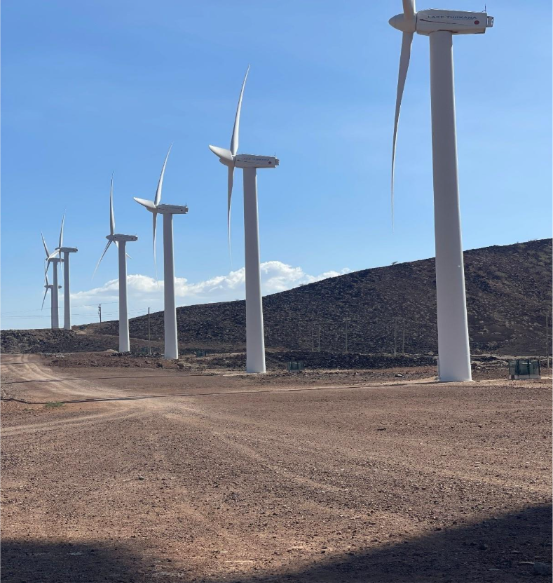
In Marsabit County, conversations around the Lake Turkana Wind Power Project highlighted another dimension of the energy transition: land and governance. As Africa’s largest wind farm, the project has become a symbol of Kenya’s renewable energy ambition. But community discussions revealed that questions around land rights, consultation and compensation remain important concerns for local residents. In pastoralist areas where land is often communally used and tied closely to livelihoods, large infrastructure developments can raise complex questions about land governance and long-term community interests.
Taken together, these conversations illustrate that the success of renewable energy projects cannot be measured only by the amount of electricity they generate. They must also be evaluated in terms of how communities experience these projects and whether they feel meaningfully included in the development process.

The power of legal empowerment
This is where legal empowerment becomes critical. Many community members living near renewable energy projects have limited access to information about the legal and regulatory frameworks that govern these developments. Laws relating to public participation, environmental assessments, land rights and energy regulation can be difficult to navigate without access to legal knowledge or support. As a result, communities may struggle to engage effectively in decision-making processes that directly affect their lives and livelihoods.
Legal empowerment seeks to address this gap by ensuring that communities understand their rights and the mechanisms available to them. When communities are aware of their rights to participation, consultation and access to information, they are better equipped to engage constructively with project developers and government institutions. This does not slow development. On the contrary, it can help build trust, reduce conflict and strengthen the legitimacy of renewable energy projects.
Kenya’s Constitution already provides a strong foundation for this approach. Public participation is recognised as a national value and environmental governance frameworks require communities to be consulted during project planning and implementation. The challenge lies not in the absence of legal protections, but in ensuring that these protections translate into meaningful practice on the ground.
What did we learn?
As Kenya continues to expand its renewable energy capacity, these lessons become increasingly important. The transition to clean energy is not only about replacing fossil fuels with renewable technologies. It is also about ensuring that the benefits and responsibilities of that transition are shared fairly.
Communities living near renewable energy projects are not simply hosts to infrastructure. They are stakeholders whose knowledge, land and livelihoods are deeply connected to the landscapes where these projects are built. Recognising this relationship is essential to building a truly inclusive energy future.
Kenya’s renewable energy achievements deserve recognition. But the country now faces the next stage of the transition: ensuring that the shift to clean energy is also a shift toward greater equity, participation and justice.
A just energy transition is not only measured in megawatts. It is measured in whether the communities closest to these projects feel that they are part of the future being built around them.