
A glimmer of hope emerges in the idyllic settings of Shella and Ras-Kitau. After relentlessly pursuing justice, the wheels of change finally turned on May 11th, 2018, when the Lamu County Director of Environment stopped the destructive sand mining operation at Ras-Kitau on Manda Island, Lamu County.
The sand mining operation, initiated on December 22nd, 2016, ostensibly aimed to fortify the Majlis Hotel’s shoreline with pristine beach soil, wreaking havoc in its wake. Mini tractors scoured the beach and adjacent offshore areas during receding tides, triggering a domino effect of adversity – lost landing sites, mangrove degradation, beach erosion, and even homes submerged beneath the waters.
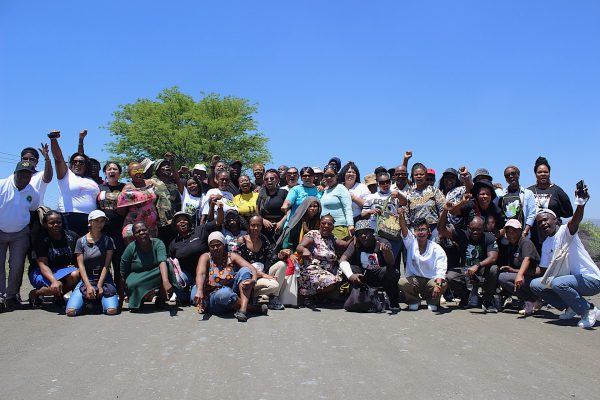
Resilient and relentless, the affected residents sought redress from many authorities, from the County Department of Tourism to the Ministry of Tourism and the County Commissioner. Their cries, however, were met with a wall of inaction. It wasn’t until they joined forces with Natural Justice’s Community Environmental Legal Officer (CELO) that their plight found an avenue for resolution.
A startling revelation came to light through an access-to-information letter submitted to the National Environmental Management Authority (NEMA): the mining operation had no Environmental Impact Assessment (EIA) report or license. A blatant violation of Section 58(1)(2) of the 2015 Environment Management and Coordination Act, which mandates EIA documentation before project implementation.
Armed with this knowledge, the impacted individuals lodged a complaint with NEMA in tandem with Natural Justice’s CELO. The wheels of justice began to turn. A site inspection was ordered by the County Director of Environment, revealing glaring infractions. Subsequently, an inspection notice was issued to the proponent, mandating their appearance at NEMA’s office with the elusive EIA report and license. Alas, compliance was lacking, and the authority had no choice but to enforce a cease order on the sand mining operation due to these violations.
With the cease order, calm was restored, and the spirit of suffering that loomed over the residents lifted. This triumph underscores a powerful lesson – that remedy can be achieved through court battles and empowered engagement with local institutions. The path to justice and environmental harmony is paved with legal empowerment, which this case vividly exemplifies.